You rinse out a yogurt tub, drop it in the blue bin, and feel a small flush of “there, I did my part.” Most of us have been there. For decades we’ve been told that recycling is the answer to our trash problem, so the bin quietly becomes a kind of permission slip — a reason to keep buying, using, and tossing without much guilt.
Here’s the uncomfortable part: recycling and zero waste are not the same thing. And treating them as if they are can actually hold back real progress.
This guide breaks down exactly how recycling vs zero waste differ, why recycling on its own isn’t enough, and how the two fit together in everyday life. By the end, you’ll know where to put your energy — and it’s probably not where you’d expect.
Why People Confuse Recycling and Zero Waste

It’s easy to see why these two get tangled up. Both deal with waste, both wear the “green” label, and both ask us to care about what happens to the stuff we throw away.
Recycling also had a huge head start. Many of us grew up with recycling lessons at school, blue bins on the curb, and campaigns repeating “reduce, reuse, recycle” — usually with all the weight landing on that last word. Over time, recycling became the default picture of what eco-friendly habits look like.
Zero waste is newer to the mainstream and harder to imagine. There’s no single bin for it. It’s less a chore and more a way of thinking. So when someone asks how to live more sustainably, “recycle more” is the answer that pops up first, even though it’s only one small slice of the bigger picture.
There’s a marketing angle too. For years, the spotlight on recycling has been convenient for the companies producing all that packaging, because it puts the responsibility on you to deal with the waste rather than on them to make less of it. None of that makes recycling a bad thing — but it helps explain why we were taught to recycle far more loudly than we were ever taught to refuse or reduce.
What Is Recycling?
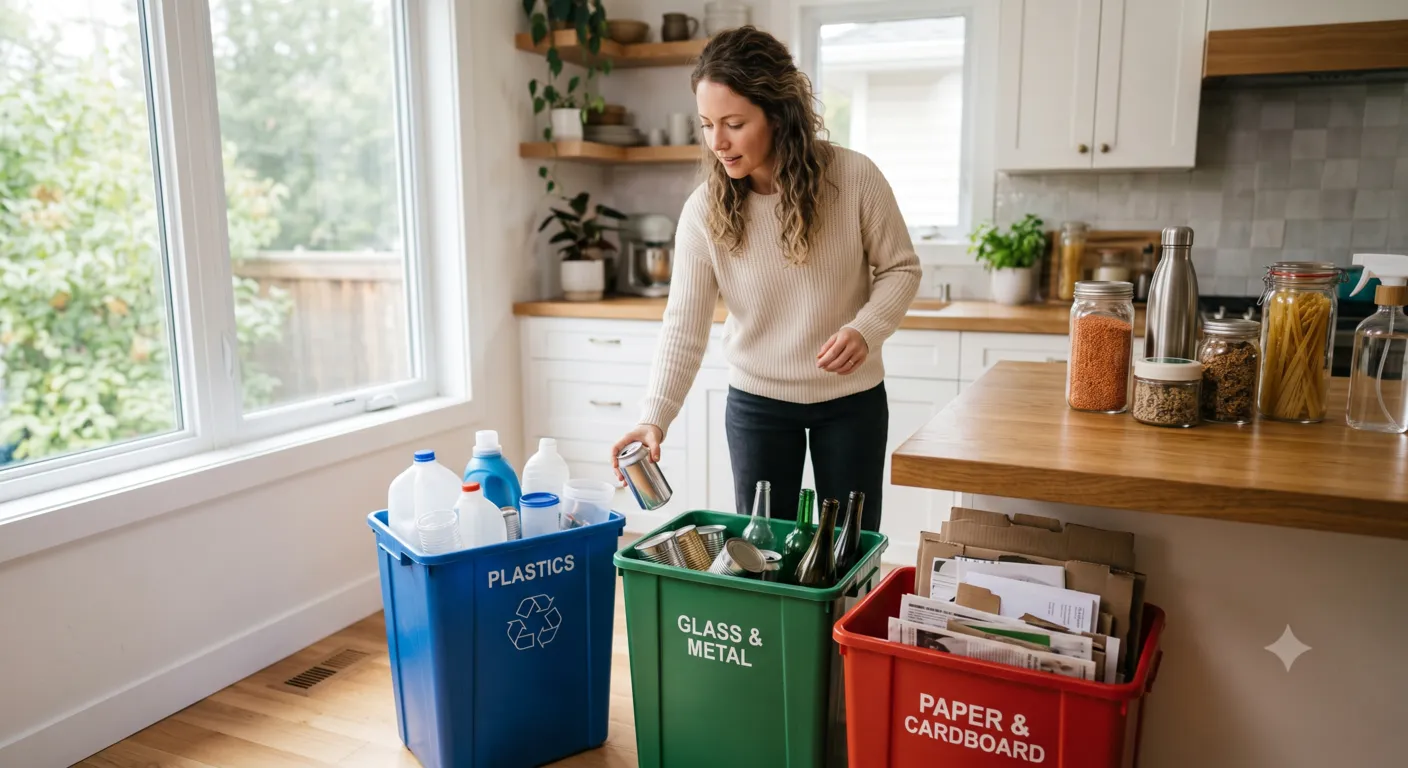
Recycling is the process of collecting used materials, breaking them down, and turning them into new products instead of sending them to a landfill or incinerator.
In plain terms, it’s what happens to an item after you’re finished with it. The basic process looks like this:
- You sort recyclables into the correct bin.
- They’re collected and taken to a sorting facility.
- Materials are separated by type — paper, glass, metal, plastic.
- They’re cleaned, processed, and remade into something new.
Recycling is genuinely useful. It keeps materials in circulation, often uses less energy than making products from raw materials, and reduces what ends up buried in the ground.
But notice the key detail: recycling deals with waste that already exists. Think of an empty shampoo bottle or a stack of cardboard from online orders — recycling only steps in once those things have already been bought, used, and emptied. It’s a clean-up strategy, not a prevention strategy, and it kicks in at the very end of a product’s life. As we’ll see, that’s a big reason it can’t carry the whole load on its own.
What Is Zero Waste?

Zero waste is a goal and a lifestyle built around one simple idea: design waste out of your life before it’s ever created.
Instead of asking “how do I dispose of this responsibly?”, zero waste asks “do I need to bring this into my home at all?” It’s an upstream approach. The focus is on refusing, reducing, and reusing so that very little ever reaches the bin.
Let’s clear something up early, because the name scares people off: zero waste does not mean producing literally zero trash. Nobody does that. It’s a direction, not a finish line. A more honest way to describe it is “low waste” — making steady choices that shrink your footprint over time.
In practice, zero waste touches nearly everything. It shows up in the kitchen when you buy rice from a bulk bin into your own jar, in the bathroom when you switch to a bar of soap instead of a plastic bottle, and at the grocery store when you bring your own bags. It overlaps heavily with a plastic-free lifestyle and sits right at the heart of sustainable living. It’s the whole idea behind a zero waste lifestyle, and recycling is just one small step inside it.
Key Differences Between the Two

The clearest way to understand zero waste vs recycling is to look at when and how each one works.
| Recycling | Zero Waste | |
| When it happens | After waste is created | Before waste is created |
| Main goal | Divert trash from landfill | Prevent waste in the first place |
| Scope | One disposal method | A full lifestyle and mindset |
| Focus | Managing materials | Reducing consumption |
| Approach | Reactive (clean-up) | Proactive (prevention) |
Put simply: recycling manages the problem after it shows up. Zero waste tries to stop the problem from showing up at all.
That’s the core of the differences between recycling and zero waste. One is a single tool. The other is the whole toolbox — and recycling happens to be one of the tools inside it.
Picture a single disposable coffee cup. The recycling mindset asks, which bin does this go in? — often a trick question, since many cups are lined with plastic and aren’t accepted anyway. The zero waste mindset asks, could I have brought my own cup and skipped it entirely? Same object, completely different starting question. That gap is the whole idea.
Why Recycling Alone Is Not Enough

Recycling matters, but leaning on it as your only eco-habit creates a false sense of security. Here’s why it can’t do the job by itself.
Not everything is actually recyclable. Rules vary widely from one town to the next, and plenty of everyday items get rejected — greasy pizza boxes, certain soft plastics, and mixed-material packaging like coffee cups. When people toss questionable items in hoping they’ll be recycled (a habit known as wishcycling), they can contaminate a whole batch and send it all to landfill anyway. A single greasy takeout container or a half-full sauce jar tossed in with the paper can spoil everything around it, which means well-meaning effort sometimes does more harm than simply throwing that one item in the trash. If you’re unsure what belongs in the bin, our guide to what can and cannot be recycled clears up the common mix-ups.
Plastic is the weak link. Only a small share of all the plastic ever made has actually been recycled. Most plastic can also only be recycled once or twice before the quality drops too far to reuse — a process called downcycling. A plastic bottle rarely becomes another bottle; it becomes a lower-grade product that’s still headed for the trash.
Recycling uses resources too. Collecting, transporting, sorting, cleaning, and reprocessing all take energy and water. It’s better than making things brand new, but it isn’t free or impact-free.
It doesn’t reduce demand. This is the big one. Recycling does nothing to slow how much we produce and consume in the first place. The pollution from extracting raw materials, manufacturing goods, and shipping them around still happens. Recycling treats the symptom; it doesn’t touch the source.
The takeaway is simple but easy to miss: you can recycle perfectly and still generate a mountain of waste.
Understanding the 5 Rs
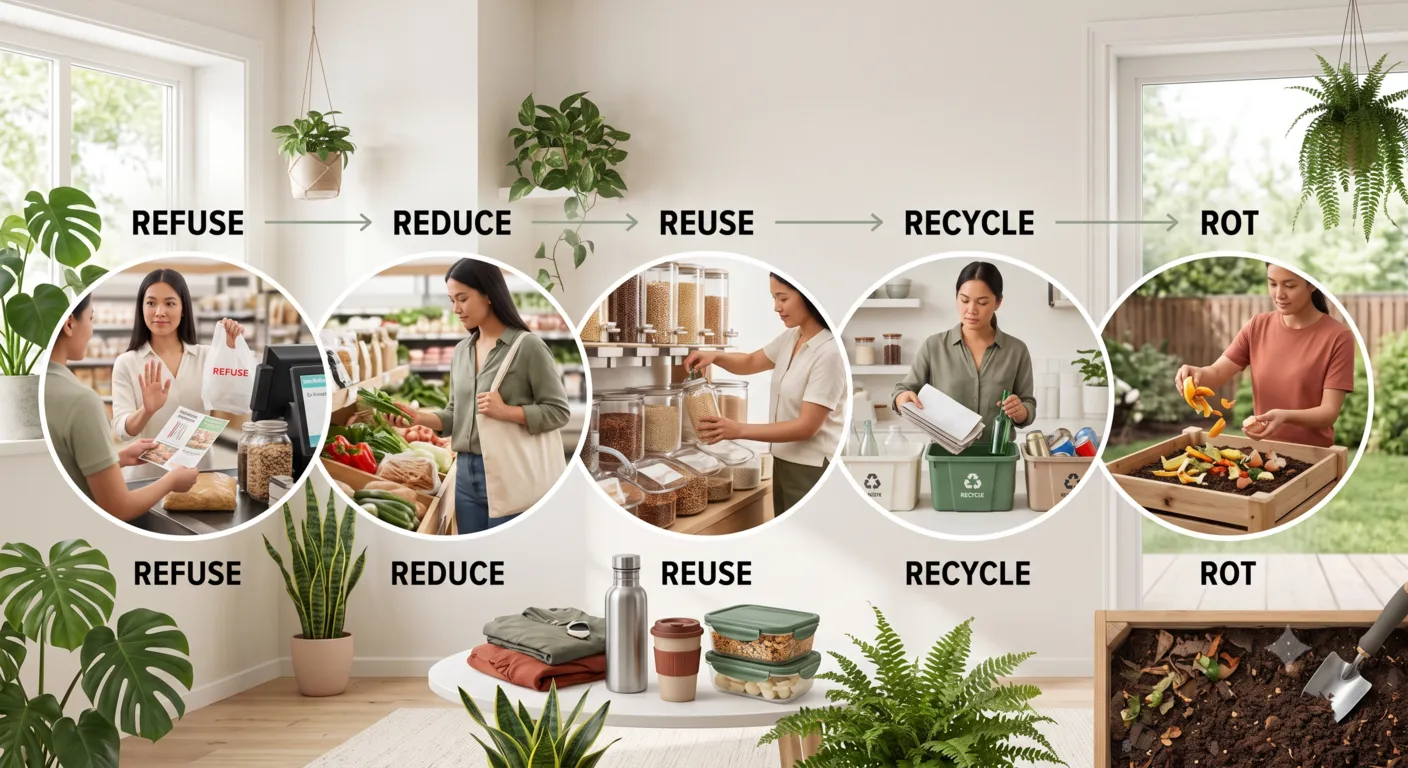
A helpful framework for real waste reduction is the 5 Rs. The order matters — it runs from most to least important — and recycling deliberately sits near the bottom. We cover each one in more depth in our full guide to the 5 Rs of zero waste.
- Refuse — Say no to what you don’t need. Decline freebies, single-use plastics, junk mail, and promotional clutter before they ever enter your home.
- Reduce — Buy less and buy better. Choose quality items that last, skip impulse purchases, and avoid heavily packaged products.
- Reuse — Get more life out of what you already own. Repair instead of replacing, shop secondhand, and switch to refillables like cloth bags, glass jars, and a reusable water bottle.
- Recycle — Only after the first three. Recycle what you genuinely can’t refuse, reduce, or reuse, and learn your local rules so you actually do it right.
- Rot — Compost your food scraps and other organic waste. Composting at home keeps that material out of landfills and turns it into something useful for your soil or garden.
Look closely and you’ll spot the whole point of this article hiding in the list: recycling is the fourth R, not the first. The biggest wins come earlier, from simply needing and using less.
Which Approach Is More Sustainable?
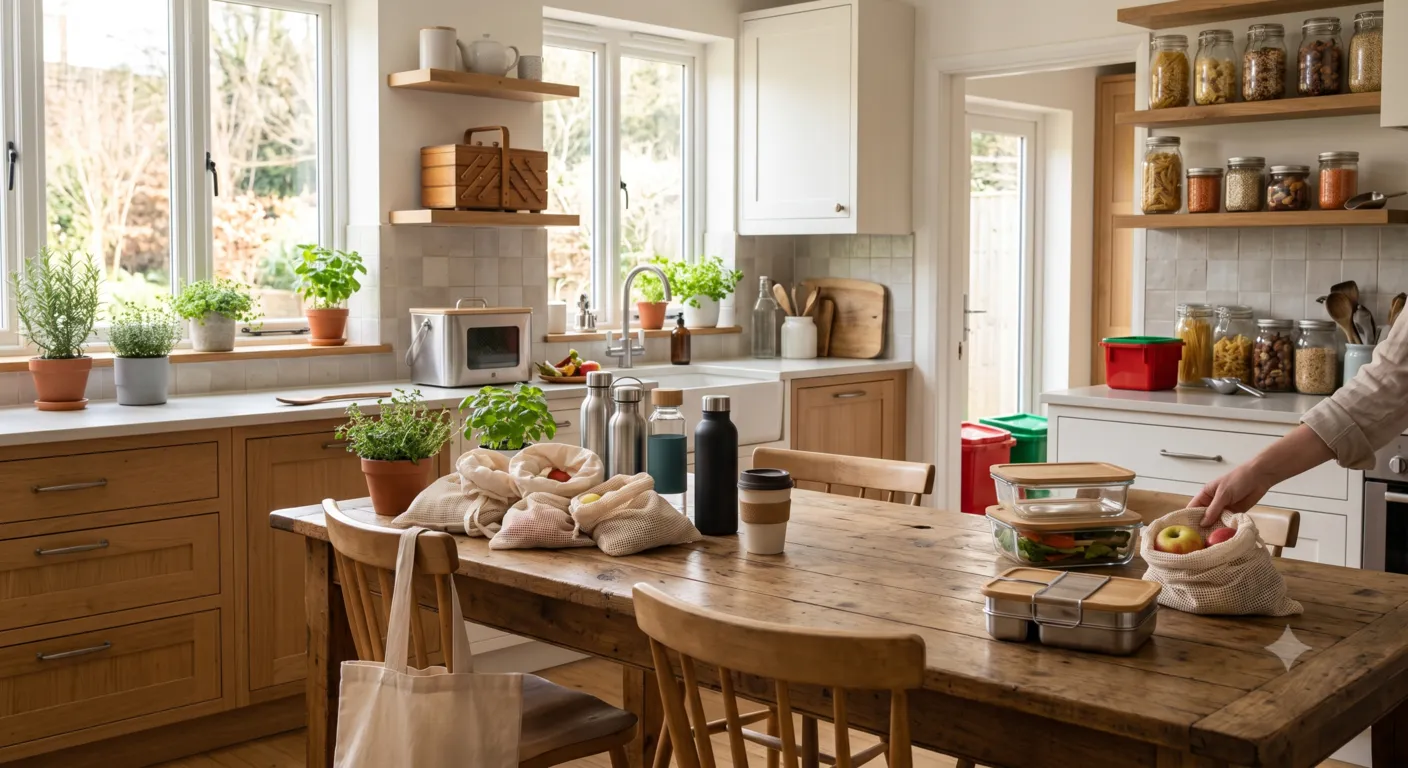
If we’re being honest, prevention beats clean-up — so zero waste is the more sustainable approach overall. Every item you never buy is one that never had to be made, packaged, shipped, or disposed of. That avoids impact across the entire chain, not just at the very end.
Recycling, by comparison, is reactive. It softens the damage of waste that already exists, which is worthwhile but limited.
That said, “more sustainable” doesn’t mean recycling is pointless. We live in a world full of packaging and products we can’t always avoid, and recycling is a real, practical way to handle what’s left over. The smartest move isn’t to pick one side and dismiss the other — it’s to get the priorities in the right order. Reduce first, recycle last.
Can You Practice Both?
Absolutely, and you should. Recycling and zero waste aren’t rivals. Recycling is actually built into the zero waste mindset as a last-resort step — remember, it’s the fourth R, not something you abandon.
For most beginners, a realistic everyday routine looks like this:
- Start by reducing what comes into your home in the first place.
- Reuse and repair whatever you can.
- Compost your food scraps if you have the option.
- Recycle the leftovers properly, following your local guidelines.
In a real kitchen, that might look like buying loose vegetables instead of shrink-wrapped ones, keeping a small countertop tub for food scraps, refilling a jar of oats from the bulk aisle, and flattening the few cardboard boxes that are left for the recycling bin. Reduction does most of the heavy lifting; recycling just tidies up what remains.
You don’t have to overhaul your life overnight. Practicing both simply means recycling responsibly while steadily shrinking how much you need to recycle at all. Over the months, your trash and recycling bins get lighter — and that, not a spotless recycling record, is the real sign of progress.
Common Misconceptions

A few stubborn myths trip people up on the way to lower-waste living. Let’s clear them up.
- “Recycling cancels out my consumption.” It doesn’t. Recycling reduces the harm of waste, but it never makes buying and tossing impact-free.
- “Zero waste means fitting a year of trash in one tiny jar.” That viral image set an unrealistic bar that puts people off before they start. Zero waste is a direction, not a perfection contest — cutting your trash by even a third is a genuine win.
- “If it has the recycling symbol, it gets recycled.” Not necessarily. The chasing-arrows symbol and the number inside it identify the type of plastic. They don’t guarantee your local program accepts or recycles that item.
- “Zero waste is expensive.” Some reusable products cost more upfront, but the core of zero waste — buying less — usually saves money over time.
- “One person can’t make a difference.” Individual habits add up, shift demand over time, and quietly influence the people around you. Change tends to spread.
- “It all ends up in the landfill anyway, so why bother?” Some recycling does fail, but plenty of it works — especially metal, glass, and paper, which can be recycled well and repeatedly. Giving up entirely is just as unhelpful as blind faith. The aim is to recycle smart, not to stop trying.
Final Thoughts
Recycling is a good habit. It’s just not the whole story. The mistake was never recycling itself — it’s stopping there and assuming the job is done.
Zero waste reframes the question entirely. Instead of asking how to throw things away better, it asks how to need less in the first place. Recycling still has a place in that bigger picture, but as a useful final step, not the main event.
You don’t need to be perfect to make this work. Refuse one thing you don’t really need. Reuse what you already own. Compost your scraps. Recycle the rest the right way. Do that consistently, and you’re not just filling a bin more responsibly — you’re living a little more lightly, which is what sustainable living has always been about.