Featured Articles
Beginner's Zero Waste Guides
Home & Cleaning
Kitchen & Food
Take a look in your kitchen trash tonight. For most households, what's in there tells a familiar story: a torn snack wrapper, the film off a container of tomatoes, a heel...
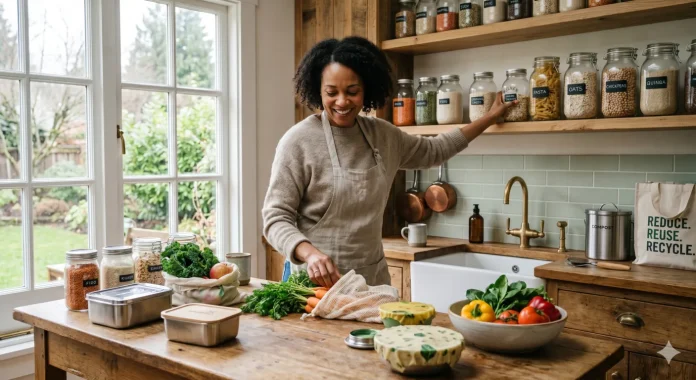
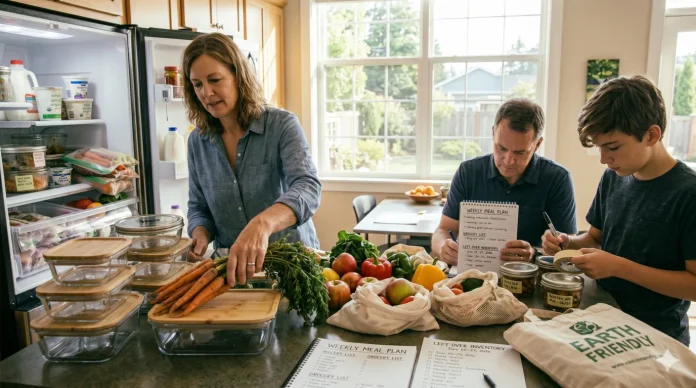
How to Reduce Food Waste at Home: Simple Habits...

Plastic-Free Food Storage Ideas: Reusable Swaps That Actually Work
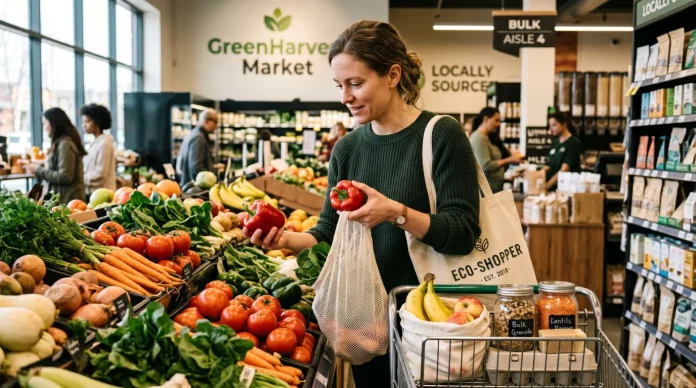
Zero Waste Grocery Shopping: A Beginner’s Guide to Shopping...
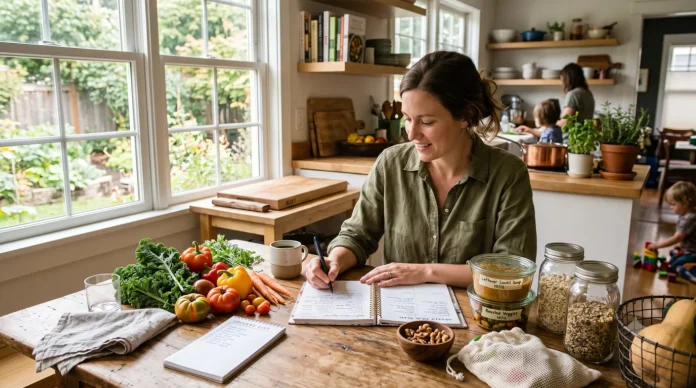
Easy Zero Waste Meal Planning Tips: A Beginner’s Guide...
Product Reviews
Recycling & Composting
Why a Zero Waste Lifestyle Matters More Than Ever
Take a look inside your kitchen trash can right now. Chances are it's full of things you never really chose to buy — plastic wrap, food packaging, a takeout container, maybe a broken item you didn't know how to fix.
Most of us don't set out to create this much trash. It just happens. Products arrive wrapped in layers of packaging, and convenience often means single-use. Before you know it, the bin is full again, and next week looks exactly the same.
This is where a zero waste lifestyle comes in. It isn't a strict rulebook or a test you can fail. It's a different way of looking at everyday habits, built around one simple question: does this really need to become trash?
Zero waste doesn't mean sending nothing to the landfill, ever. Nobody manages that, and chasing perfection is the fastest way to give up. It means making small, thoughtful choices that add up over time — choosing reusable over disposable, buying only what you'll actually use, and giving old things a second life instead of a quick trip to the curb.
That's exactly what ZeroWasteLifestyle.us is here to help with. Think of this as your home base for the zero waste lifestyle: the philosophy behind it, room-by-room guides, beginner-friendly swaps, and honest answers to the questions most people are too embarrassed to ask out loud. No lectures, no guilt trips, and no pressure to buy anything — just practical guidance you can start using today and come back to whenever you're ready for the next step.
What Is a Zero Waste Lifestyle?
A zero waste lifestyle is a way of living that focuses on cutting down how much trash you send to landfills and incinerators. Instead of following the usual buy-use-toss cycle, you look for ways to refuse, reduce, and reuse first, treating the trash can as a last resort rather than a first response.
The idea borrows a little from how nature works. In a forest, almost nothing goes to waste. Fallen leaves break down and feed new growth instead of piling up forever. A zero waste lifestyle applies that same logic to how we shop, cook, clean, and go about daily life.
Here's the part most beginners find reassuring: zero waste is a direction, not a finish line. Nobody who lives this way has a completely empty trash can every week. The real goal is meaningful progress — cutting your household waste down over time, not hitting some impossible standard of producing absolutely none.
Think of it less like a strict diet and more like a habit you build gradually. You don't need special gear, a big budget, or a total life overhaul to get started. You just need to notice where your waste actually comes from, then make small swaps where they fit your life.
Why a Zero Waste Lifestyle Matters
Cutting back on waste isn't only good for the environment. It changes daily life in ways most people notice pretty quickly.
It saves money. Buying in bulk, choosing reusable products over disposable ones, and cooking with what's already in your kitchen all cost less over time than constantly restocking single-use items.
It simplifies your home. A lower-waste mindset naturally pushes back against clutter. When you buy less, you own less, and fewer disposable products means fewer things crowding your drawers and cabinets.
It cuts down on plastic. Packaging is one of the biggest sources of household trash, and much of it is plastic. Choosing reusable bags, bottles, and containers reduces how much plastic moves through your home.
It supports a circular economy. Instead of raw materials heading straight to a landfill after one use, reusing and recycling keep resources in circulation longer. That's the core idea behind sustainable living — getting more value out of what's already been made, instead of constantly demanding new resources.
It encourages more intentional living. Zero waste habits ask you to pause before buying something new. Do I actually need this? Will I use it? Is there a reusable version? That small pause tends to carry into other decisions, too.
It helps protect natural resources. Every product you don't buy, reuse instead of replace, or keep out of a landfill is one less demand on raw materials like timber, water, and fossil fuels. Small as it sounds, that adds up across a household over a year.
None of this requires becoming an extremist about it. Shifting even a handful of habits creates a real, noticeable difference in how much your household throws away each week — and adds up, over time, to a genuinely more sustainable home.
How to Start a Zero Waste Lifestyle
Trying to change everything about how your household handles waste all at once is a recipe for burnout. The people who stick with this lifestyle long-term almost always start small and build from there.
Here's an approach that works well for beginners:
-
Use what you already own. Don't throw out plastic containers, bags, or products just because they aren't "eco-friendly." Use them until they actually wear out. Zero waste is about reducing future waste, not creating new waste by tossing things that still work.
-
Pick one area to focus on first. Trying to overhaul your kitchen, bathroom, and closet in the same week usually backfires. Choose one room or one habit, like packing lunches, and get comfortable with it before moving on.
-
Replace disposables as they run out. When your paper towels are gone, try cloth towels instead. When your plastic wrap runs out, try beeswax wraps or containers with lids. This gradual approach avoids waste and spreads out the cost.
-
Pay attention to food waste. Food is one of the most commonly wasted items in the average home. Planning meals ahead, storing food properly, and getting creative with leftovers can cut this down quickly.
-
Start composting, even in a small space. A backyard compost bin works well if you have the room. In an apartment, a countertop compost bin or a local drop-off program can do the same job.
-
Choose reusable products where they fit. Reusable bags, water bottles, coffee cups, and food containers are some of the easiest swaps simply because you'll use them every single day. If there's a refill store or bulk bin section nearby, it's an easy way to cut packaging on pantry staples too.
-
Shop with a bit more intention. Before buying something, ask whether you'll genuinely use it. Buying less overall makes a bigger difference than any single "green" purchase ever could.
None of these steps need to happen this week. Most people who successfully live with less waste built their habits slowly, over months or even years.
It's also worth knowing that some weeks will be harder than others. You'll forget your reusable bags. You'll end up with a fridge full of leftovers nobody eats. That's normal, and it doesn't undo the progress you've already made. The households that keep going are the ones who treat a slip-up as a Tuesday, not a reason to quit.
The 5 Rs of Zero Waste
The zero waste approach is often summed up with five simple actions, listed in a specific order on purpose. Each one is meant to be tried before you move on to the next.
Refuse
Refuse what you don't need. This means saying no to free promotional items, single-use plastic bags, straws, and packaging you never asked for. Refusing comes first because it stops waste before it ever enters your home.
Reduce
Reduce what you do need. This means buying less overall, choosing well-made items that last, and being more selective about what you bring home. Fewer purchases mean less packaging and less clutter down the line.
Reuse
Reuse what you already have instead of replacing it. This includes swapping disposable items for reusable bags, bottles, containers, and cloths, and repairing things when possible instead of tossing them.
Recycle
Recycle what's left after you've refused, reduced, and reused. Recycling matters, but it sits near the bottom of this list for a reason — it takes energy and resources to process, and not everything placed in a bin actually gets recycled. Treat it as a backup plan, not the main one.
Rot
Rot, or compost, whatever's left over. Food scraps and yard waste don't need to end up in a landfill, where they break down slowly and release methane. Composting turns that same waste into useful soil instead.
Together, these five actions create a simple filter for almost any decision involving trash. Before something lands in the bin, ask yourself: could I have refused it, reduced it, reused it, recycled it, or composted it?
Practical Zero Waste Ideas for Everyday Life
Reading about zero waste is one thing. Applying it to an actual kitchen, closet, or work bag is another. Here are simple swaps for the parts of daily life where waste tends to build up fastest.
Kitchen
- Swap paper towels for cloth towels or rags
- Store leftovers in glass jars instead of plastic containers
- Keep a small bin on the counter for food scraps headed to compost
- Buy pantry staples like rice, oats, and beans in bulk when you can
- Use beeswax wraps or silicone lids instead of plastic wrap
Bathroom
- Try a bar soap or shampoo bar instead of bottled versions
- Switch to a reusable safety razor instead of disposable ones
- Use a toothbrush with a bamboo or other reusable handle
- Choose products packaged in cardboard or glass over plastic
Shopping
- Bring your own reusable bags, including small ones for produce
- Look for refill stores or bulk bins for pantry staples, spices, and cleaning supplies
- Buy secondhand when it makes sense, especially clothing and furniture
- Choose products with minimal or recyclable packaging
- Check whether something can be repaired, including at a local repair cafe, before replacing it
- Make a list before you shop to avoid impulse buys
Cleaning
- Make simple cleaning solutions using vinegar, baking soda, and water
- Use reusable cloths instead of disposable wipes
- Refill existing spray bottles instead of buying new ones
- Choose concentrated products, which use less packaging per use
Food Storage
- Use glass jars for dry goods, leftovers, and pantry staples
- Freeze food in reusable containers instead of plastic bags
- Label and date stored food to cut down on spoilage
- Keep an "eat me first" spot in your fridge for food nearing its expiration date
Laundry
- Use wool dryer balls instead of disposable dryer sheets
- Wash in cold water to save energy and protect fabric
- Air dry clothing when you can instead of running the dryer
- Choose detergent in cardboard packaging or a refillable container
Travel
- Pack a reusable water bottle and coffee cup
- Bring snacks in reusable containers instead of buying packaged ones
- Carry a small foldable bag for souvenirs or last-minute purchases
- Use refillable travel bottles instead of single-use trial sizes
Work
- Bring lunch in reusable containers instead of takeout packaging
- Keep a reusable mug and water bottle at your desk
- Print on both sides of paper before recycling it
- Bring your own utensils instead of grabbing disposable ones
Common Myths About Zero Waste
There's a lot of misinformation about what this lifestyle actually requires. Here are the myths beginners run into most, along with what's actually true.
Myth: You have to be perfect.
Reality: Nobody produces zero trash. The name works better as a north star than a literal rule. Meaningfully reducing your household waste is a realistic, worthwhile goal on its own, even if some trash still ends up in the bin.
Myth: It's expensive.
Reality: Many zero waste habits actually save money. Buying less, reusing what you own, and skipping disposable products all reduce spending over time. You don't need to buy anything new just to get started.
Myth: You need a lot of eco-friendly products.
Reality: The most sustainable item is usually the one already sitting in your cupboard. Buying a whole "zero waste starter kit" can create more waste, not less, especially if it replaces things that still work fine.
Myth: You have to make everything yourself.
Reality: Some people enjoy making their own cleaning products or baking their own bread, but none of that is required. You can live with less waste while still buying pre-made products, as long as you're mindful about packaging and quantity.
Myth: It's inconvenient.
Reality: A few habits take some adjustment at first, like remembering reusable bags. Most swaps become second nature within a few weeks, and many households find their routines end up simpler, not harder.
Explore Our Zero Waste Guides
Everything above is meant to give you a solid starting point, but each topic goes much deeper elsewhere on this site. Our detailed guides walk through specific parts of this lifestyle step by step, including:
- What Is a Zero Waste Lifestyle — the philosophy and mindset behind the movement, explained in plain language
- How to Start a Zero Waste Lifestyle — a slower, more detailed version of the beginner steps above
- The 5 Rs of Zero Waste — a closer look at refuse, reduce, reuse, recycle, and rot, with examples for each
- Daily Zero Waste Habits — small routines that fit into an ordinary schedule, not an idealized one
- Zero Waste Kitchen — swaps, storage tips, and food waste fixes for the room that usually makes the most trash
- Composting at Home — options for yards, apartments, and everything in between
These are written for households still figuring things out, not showcase homes with a color-coded pantry. New guides get added regularly as we test products, refine methods, and answer the questions beginners ask us most.
If you're not sure where to begin, start with whatever frustrates you most about your current trash can. Drowning in plastic food packaging? Start with the kitchen guide. Tired of buying razors and toothbrushes every few weeks? Start in the bathroom. Following your own frustration is usually a better guide than any generic checklist.
Frequently Asked Questions
What does "zero waste" actually mean?
Zero waste means reducing how much trash you send to landfills by refusing, reducing, reusing, recycling, and composting, in that order. It's a philosophy focused on minimizing waste, not a strict rule about producing none at all.
Is it actually possible to produce zero waste?
Not entirely, and that's completely normal. Even dedicated zero waste households still produce some trash. The realistic goal is significant reduction, not literal zero, which is why progress matters more than perfection here.
How do I start living a zero waste lifestyle?
Start by using up what you already own, then swap in reusable items as disposable ones run out. Pick one habit or room to focus on first instead of trying to change everything at once.
Is a zero waste lifestyle expensive?
It doesn't have to be. Many core habits, like buying less and reusing what you already have, actually save money. You don't need any special products to get started.
What's the easiest zero waste swap for beginners?
Reusable bags and a reusable water bottle are usually the easiest place to start, since they replace things most people already use every single day.
Do I need to compost to live a zero waste lifestyle?
Composting helps a lot, but it isn't required. If you don't have space for a bin, look into local drop-off programs or community composting options near you.
How is zero waste different from recycling?
Recycling is only one part of the zero waste approach, and it actually comes fourth, after refusing, reducing, and reusing. Zero waste focuses on preventing waste in the first place, while recycling deals with waste that's already been created.
Can a busy family realistically live a zero waste lifestyle?
Yes. Habits like meal planning, buying in bulk, and using reusable containers tend to save time once they become routine. Starting with just one or two habits keeps things manageable, even on a packed schedule.
Our Mission
Zero Waste Lifestyle exists to make waste reduction approachable, no matter where you're starting from.
We focus on practical, evidence-based advice instead of trends or guilt trips. Every guide on this site is built around habits that real households can actually maintain, not aspirational routines that only work for a handful of people.
We believe progress matters more than perfection. A family that cuts their waste by a noticeable amount is doing more good than someone who gives up trying to hit an impossible standard. Our job is to make that progress as simple and doable as possible.
We test the swaps we recommend in our own homes before writing about them, and we update guides when a product or method turns out to be less practical than it sounded. If something doesn't hold up to daily use, we say so.
We also try to stay specific instead of generic. Recycling and composting rules vary a lot from one city to the next, so our guides point you toward checking your local program rather than assuming one national rule applies everywhere.
Whether you're here to save money, cut back on plastic, or just create less trash overall, you're in the right place. We'll keep breaking this lifestyle down into steps that actually fit into everyday life.
You don't need to overhaul everything this week. You don't need a fully stocked shelf of mason jars or a perfectly curated capsule wardrobe. You just need to pick one thing.
Maybe that's keeping a reusable bag in your car. Maybe it's starting a small compost bin on your counter. Maybe it's simply paying closer attention to what ends up in your trash can this week.
Whatever you choose, start there. The rest of this site is here to help you build on it, one small habit at a time.