You’re standing at the bin with a greasy takeout container in one hand and a yogurt cup in the other, and you have no idea where either one is supposed to go. So you make a guess. We’ve all done it. The problem is that guessing usually does more harm than good, and most of us were never actually taught the rules.
This guide clears up the confusion. You’ll learn what can and cannot be recycled across the most common household materials — paper, glass, metal, plastic, electronics, and batteries — plus the items that trip people up and the small habits that make your recycling count. No guilt, no lectures. Just clear answers you can use the next time you’re standing at that bin.
One thing to keep in mind before we start: recycling rules are local. What your city accepts depends on the equipment at your recycling facility and the buyers it sells materials to. This guide covers the general patterns that hold true almost everywhere, but your local program’s website is always the final word.
Why Recycling Rules Matter
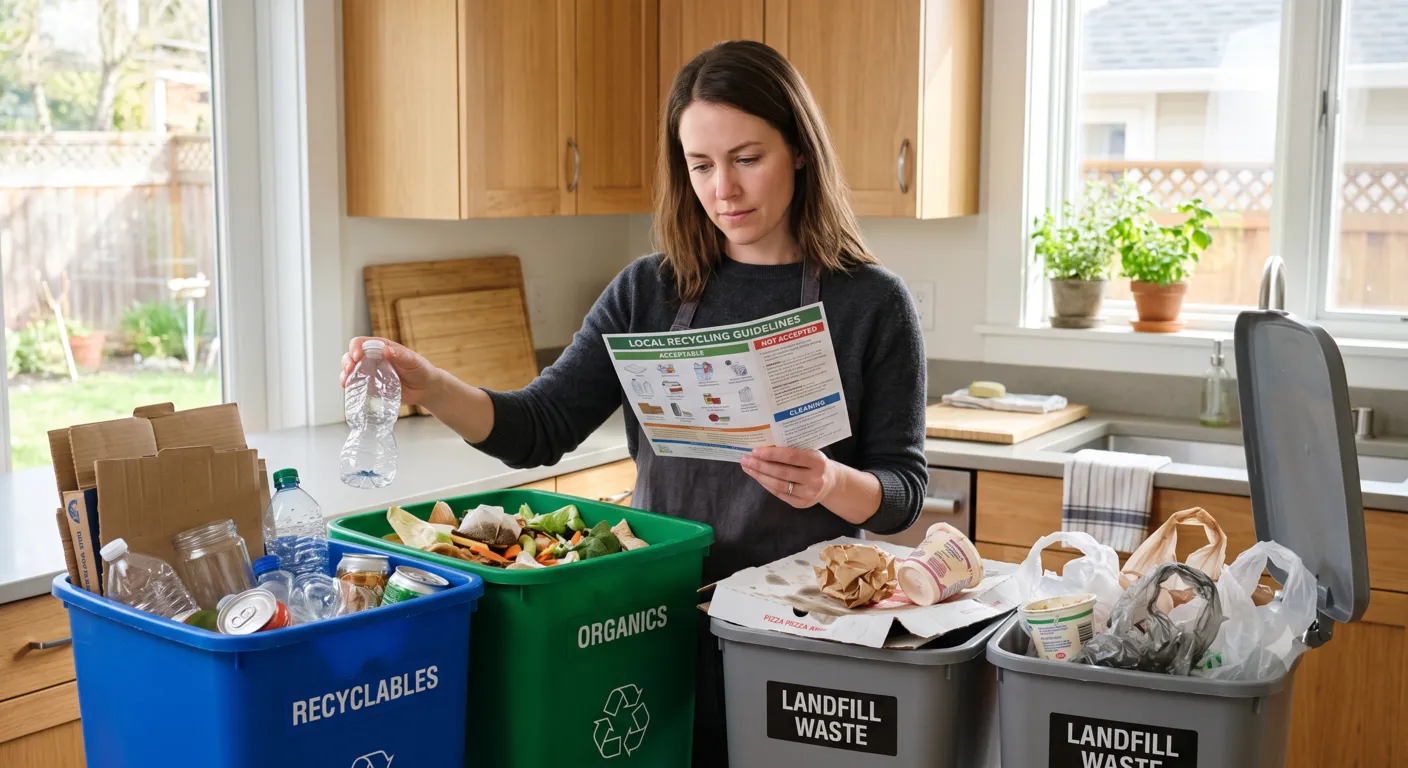
It’s tempting to think that tossing something in the blue bin gives it a fighting chance at being recycled. If it’s recyclable, great. If not, no harm done, right?
Not quite. When you put the wrong thing in your recycling, you’re “wishcycling” — hoping an item gets recycled when it really can’t. And wishcycling causes real problems.
Recyclables get sorted on fast-moving machines and conveyor belts. When non-recyclable items show up, they slow everything down, jam the equipment, or contaminate the good materials around them. A single greasy box or a half-full bottle of soda can spoil a whole batch of otherwise clean paper. When contamination gets bad enough, entire loads get sent to the landfill instead of being recycled.
So getting the rules right isn’t about being a perfectionist. It’s about making sure the stuff that can be recycled actually makes it through the system. Good recycling habits are a core part of any zero waste lifestyle, but only when they’re done correctly.
Here’s the mindset that helps most: when in doubt, throw it out. It feels backwards, but tossing one questionable item in the trash is better than contaminating a whole bin of recyclables. For the bigger picture on how recycling fits into waste reduction overall, see our guide to recycling vs. zero waste.
Paper and Cardboard
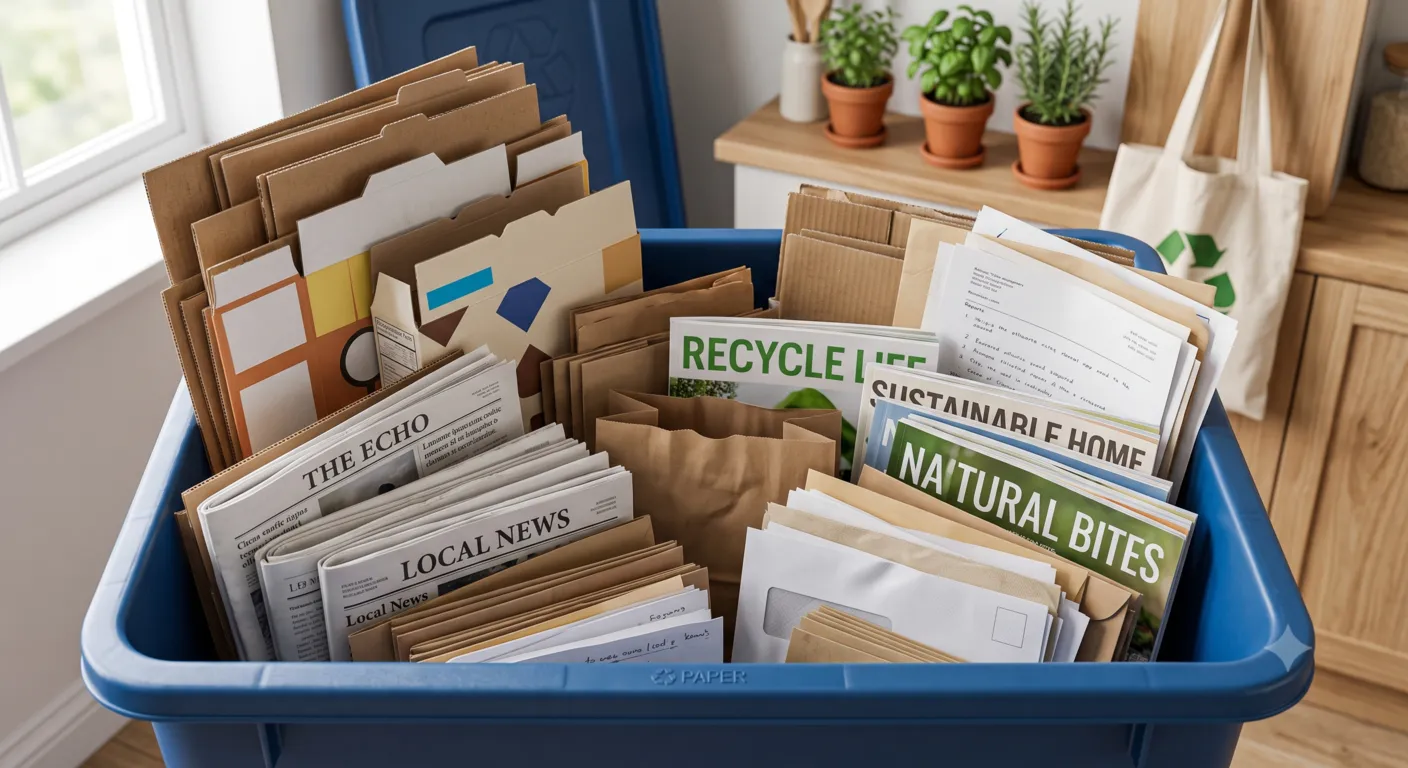
Paper is one of the most recyclable materials out there, and most of what passes through your home qualifies. The fibers can be reused several times before they wear out.
Paper and cardboard you can usually recycle:
- Newspapers, magazines, and junk mail
- Office and printer paper
- Cardboard boxes (flattened to save space)
- Paperboard like cereal boxes, shoe boxes, and tissue boxes
- Paper bags
- Envelopes (even ones with plastic windows are fine in most programs)
Paper that usually can’t be recycled:
- Paper towels, napkins, and tissues (the fibers are too short and often soiled)
- Wax-coated or plastic-coated paper, like some frozen food boxes
- Disposable coffee cups (most are lined with plastic)
- Receipts printed on shiny thermal paper
- Paper soaked in grease or food
Shredded paper is a common gray area. The tiny pieces fall through sorting screens and gum up the works, so many programs ask you to keep paper whole or bag shredded paper separately. Check yours.
What About Pizza Boxes?
This one has changed. For years, the rule was simple: greasy pizza boxes go in the trash. But research from the paper industry found that typical amounts of grease and cheese don’t actually ruin the recycling process. Many programs now accept pizza boxes.
The safe approach: scrape out any loose food and leftover crusts, then recycle the box. If a section is soaked through with oil, tear that part off and trash it. And if your local program still says no, follow their lead.
Glass
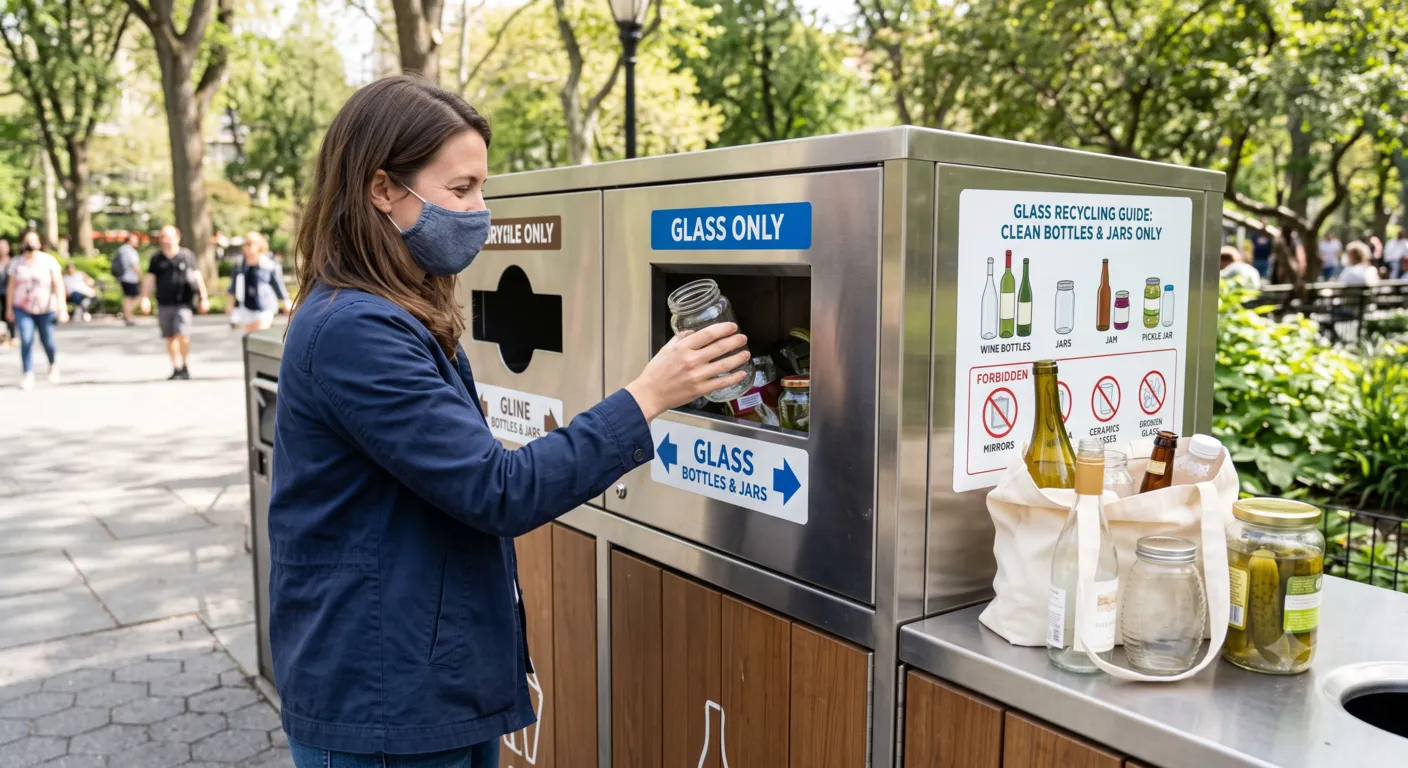
Glass bottles and jars are endlessly recyclable. They can be melted down and remade over and over without losing quality, which makes them one of the better packaging choices when you have one.
Glass you can recycle:
- Glass food jars (pasta sauce, jam, pickles)
- Glass beverage bottles (soda, beer, wine, juice)
Give them a quick rinse and toss the lids in with your metal or plastic depending on what they’re made of. Labels are fine to leave on — they burn off during processing.
Glass you cannot recycle:
- Drinking glasses and wine glasses
- Window glass, mirrors, and windshields
- Pyrex, ceramic dishes, and ovenware
- Light bulbs
- Broken glass of any kind
The reason these get rejected is that they’re made differently from container glass. They melt at different temperatures and can weaken or ruin a whole batch if mixed in.
Glass is also where local rules vary the most. Because broken glass is heavy, hard to sort, and can contaminate paper and plastic, a growing number of curbside programs no longer accept it. Instead, they ask you to drop glass off at a separate collection point. It’s worth a quick check so your bottles don’t end up in the landfill.
Metal Cans
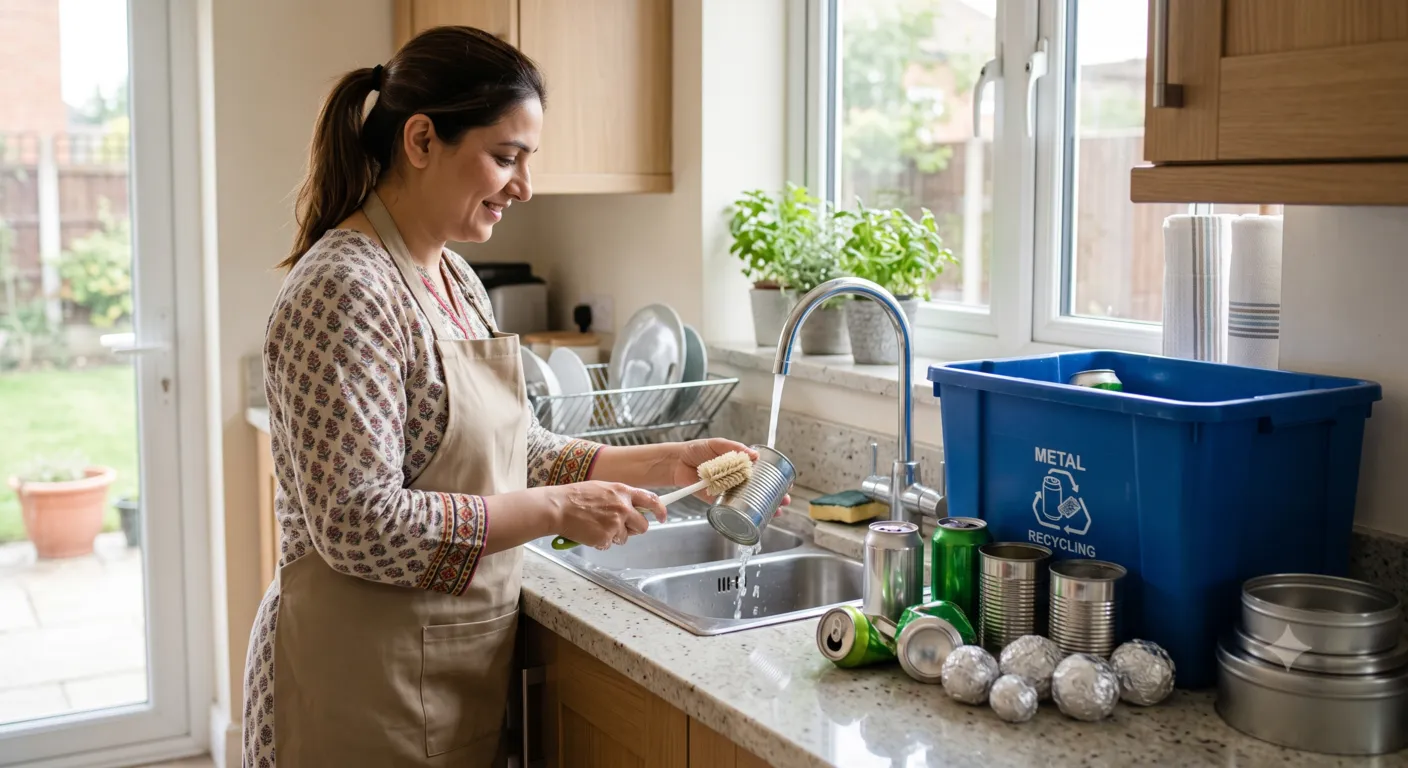
Metal is a recycling star. Aluminum and steel can be recycled again and again, and recycling them uses far less energy than making new metal from scratch.
Metal you can recycle:
- Aluminum drink cans (soda, beer, sparkling water)
- Steel and tin food cans (soup, beans, vegetables)
- Clean aluminum foil and foil trays (rinse off food first)
- Empty aerosol cans, in many programs
Rinse cans so they’re free of food, and leave the labels on — they’re handled during processing. With aluminum foil, scrunch clean pieces into a ball about the size of a tennis ball so it doesn’t slip through the sorting screens.
Metal you usually can’t put in curbside recycling:
- Foil or trays still coated in grease and food
- Paint cans, especially with paint left inside (often treated as hazardous waste)
- Scrap metal, pots, pans, and metal hangers
- Propane tanks and other pressurized containers
Larger or specialty metal items often aren’t accepted curbside, but a local scrap metal yard or recycling center will usually take them.
Plastic Containers
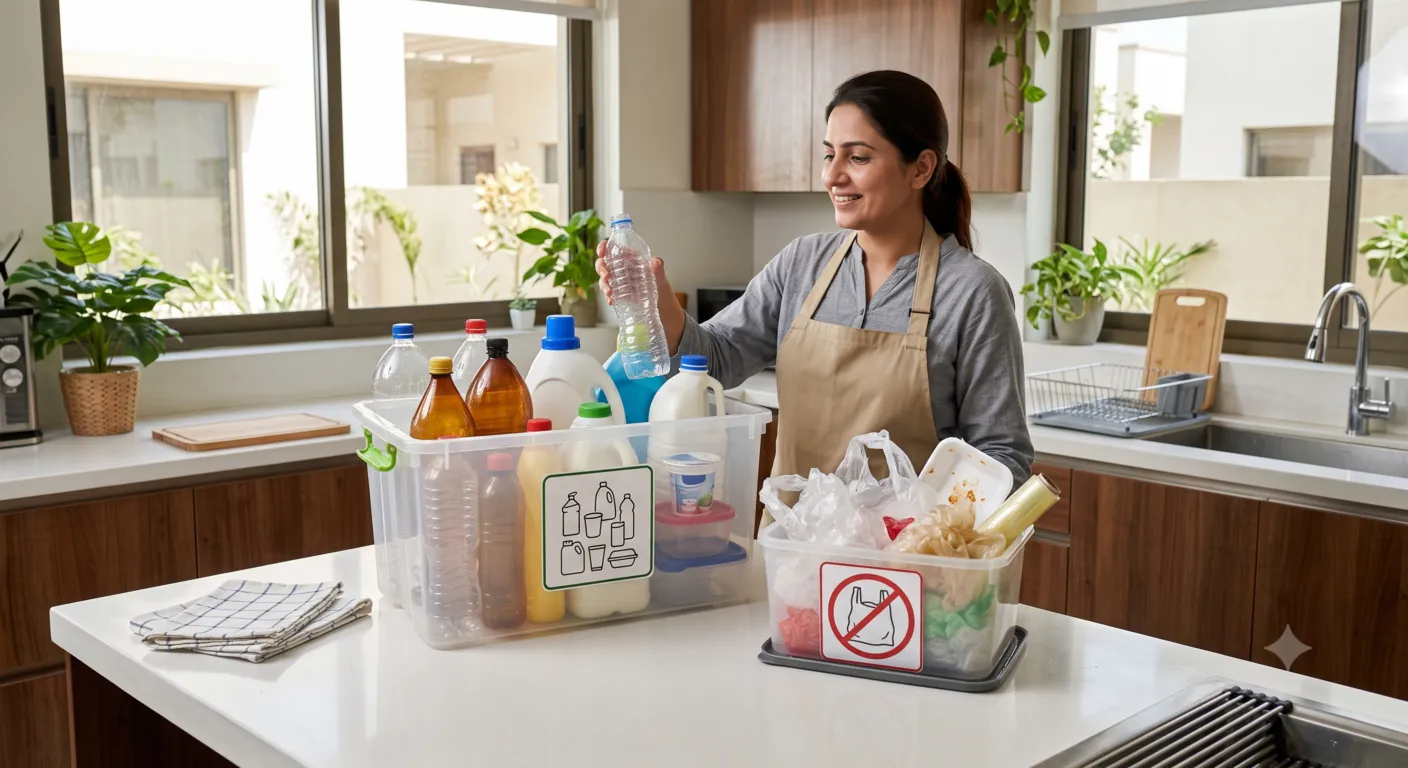
Plastic is the most confusing material of all, and there’s a good reason for that. Not all plastic is the same, and that little recycling triangle on the bottom doesn’t mean what most people think.
That triangle with a number inside is a resin identification code. It tells you the type of plastic, not whether your local program accepts it. So the symbol alone is not a promise that an item is recyclable.
How to Read the Recycling Numbers
Here’s a quick translation of the seven codes and how they generally fare:
- #1 PET – Water and soda bottles, clear food containers. Widely recycled.
- #2 HDPE – Milk jugs, detergent bottles, shampoo bottles. Widely recycled.
- #3 PVC – Pipes, some clamshell packaging. Rarely recycled curbside.
- #4 LDPE – Plastic bags, squeeze bottles, films. Rarely recycled curbside.
- #5 PP – Yogurt cups, margarine tubs, takeout containers. Increasingly accepted.
- #6 PS – Styrofoam, foam cups, plastic cutlery. Rarely recycled.
- #7 Other – Mixed or layered plastics. Rarely recycled.
The simplest way to think about it: bottles, jugs, and tubs are usually fine; bags, films, and foam are usually not. When you grab a container, picture its shape. If it holds its form and once held a liquid or food, it’s probably accepted. If it’s flimsy, stretchy, or foam, it probably isn’t.
A few habits that help with plastic:
- Rinse containers so they’re clean and dry.
- Leave caps on bottles in most programs (loose caps are too small to sort and fall through the machines).
- Skip black plastic trays — the sorting scanners often can’t “see” black, so it gets missed.
It’s also worth knowing that only a fraction of the plastic ever produced has been recycled. That’s not a reason to give up, but it is a good reason to lean on reducing and reusing plastic where you can. A plastic-free habit beats a recycling habit every time. This is exactly the thinking behind the 5 Rs of zero waste, where recycling comes fourth, not first.
Electronics

Old phones, laptops, cables, and gadgets — known as e-waste — should never go in your curbside bin or your trash. They’re a special category for two reasons. First, they contain hazardous materials like lead and mercury that shouldn’t end up in a landfill. Second, they hold valuable metals like gold, copper, and lithium that are worth recovering.
Electronics to recycle separately:
- Phones, tablets, laptops, and computers
- TVs and monitors
- Chargers, cables, and cords
- Small appliances and kitchen gadgets
- Printers and keyboards
Where to take them:
- Electronics retailers that run take-back programs
- Manufacturer mail-in or trade-in programs
- Municipal household hazardous waste or e-waste collection events
- Certified e-waste recyclers in your area
Before you hand over any device that stored personal information, wipe it. Sign out of your accounts, back up anything you want, and do a factory reset so your data doesn’t travel with the hardware.
Batteries
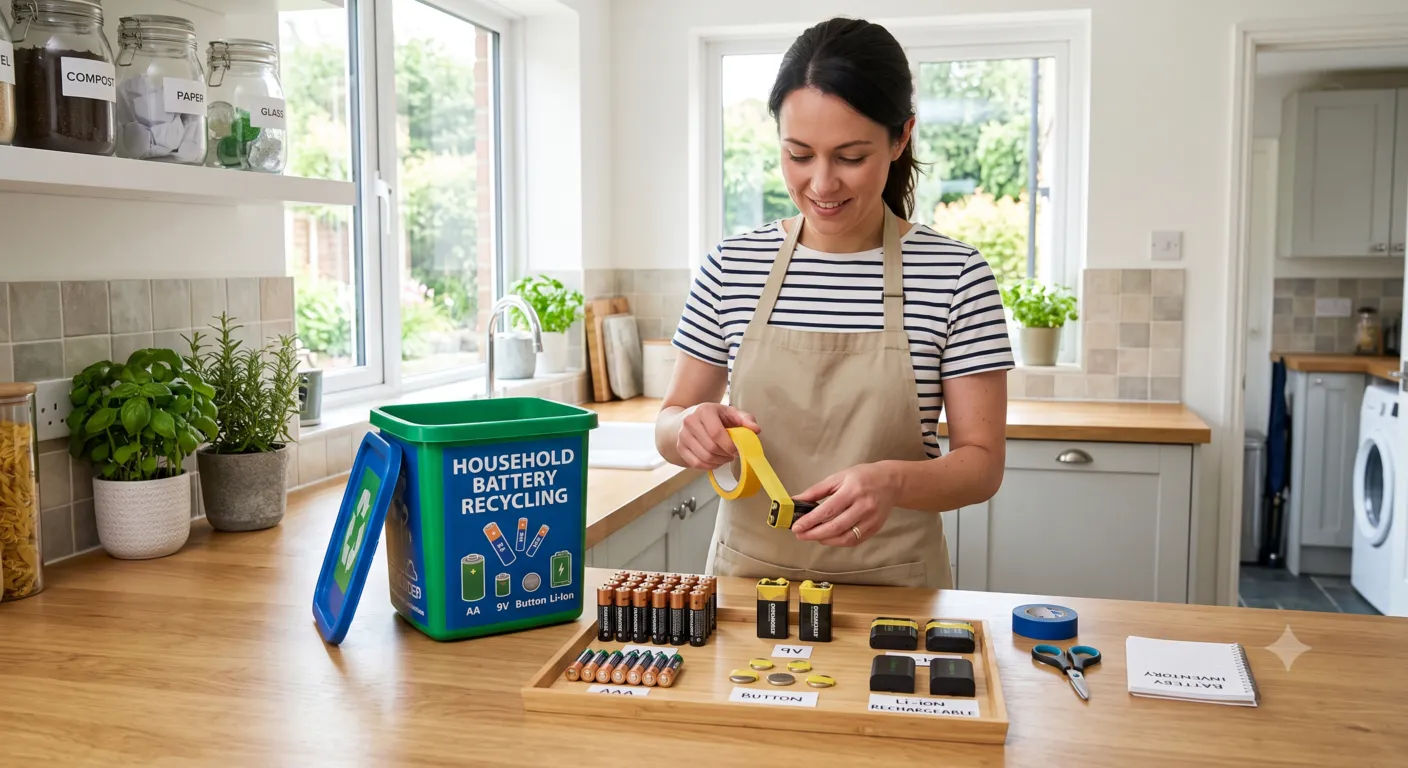
Batteries are another item that never belongs in your recycling or trash bin, and this one matters for safety, not just sorting.
Many batteries — especially the lithium-ion kind in phones, laptops, vape pens, and power tools — can spark, overheat, and start fires when they’re crushed inside a recycling truck or facility. These fires are a serious and growing problem at recycling plants. One loose battery can put workers at risk and shut down an entire operation.
How different batteries are handled:
- Single-use alkaline (AA, AAA, 9V): In some areas these can go in the regular trash, but rules vary, and some places (like California) ban all batteries from the trash. Recycling is the safe choice everywhere.
- Rechargeable (lithium-ion, NiMH, NiCd): Always recycle these. Never trash them.
- Button and coin cells (watches, hearing aids, key fobs): Always recycle these. They contain metals you don’t want in a landfill.
Where to recycle batteries:
- Hardware stores, electronics retailers, and home improvement stores with battery drop-off bins
- Battery recycling programs and collection points (many communities have them)
- Household hazardous waste collection sites
A simple safety tip: put a piece of clear tape over the terminals of lithium and 9V batteries before you drop them off. That stops them from touching other batteries and sparking on the way.
Common Household Items That Cannot Be Recycled
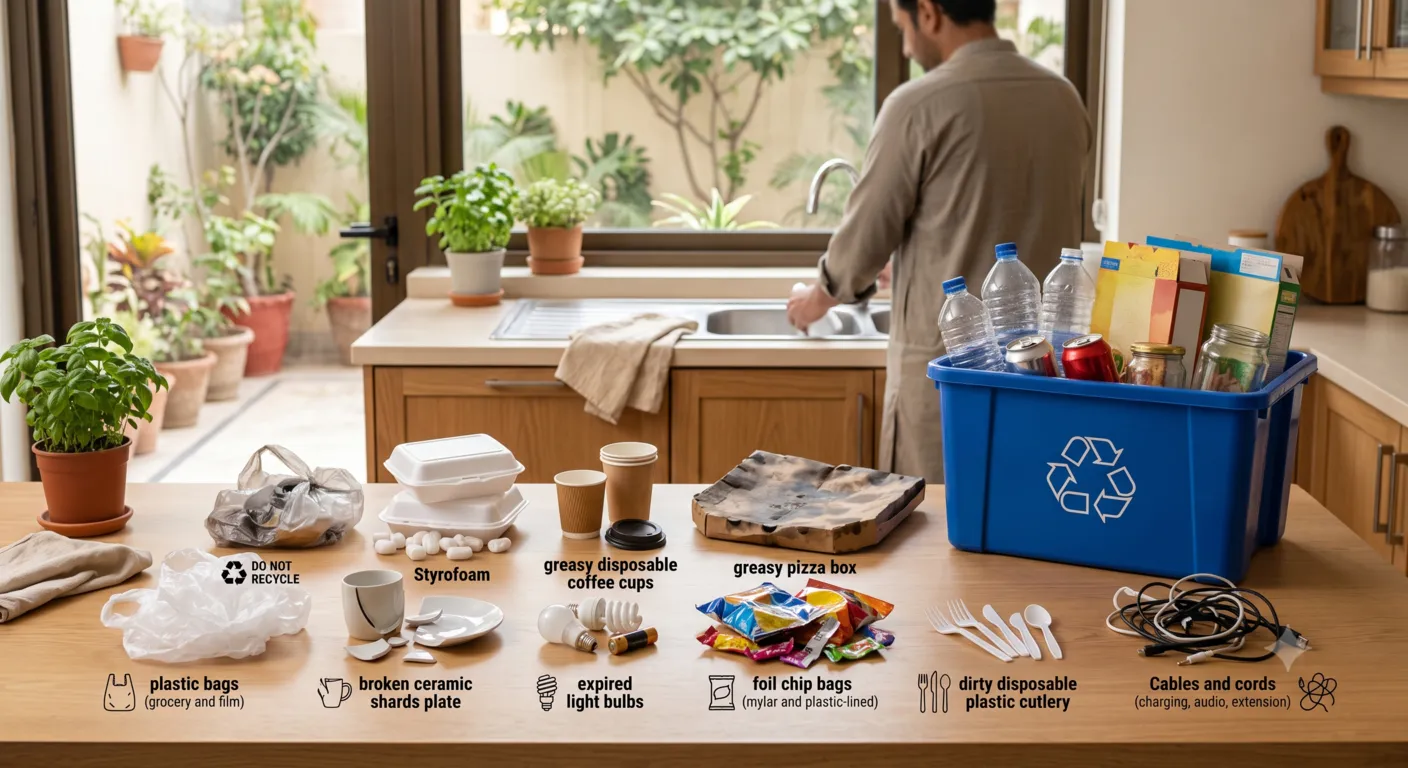
These are the repeat offenders — the non-recyclable items that end up in blue bins out of habit or hope. Keeping them out keeps your recycling clean.
- Plastic bags and plastic film (they tangle in the machines; take clean ones to store drop-off bins instead)
- Styrofoam and foam packaging
- Disposable coffee cups (plastic-lined)
- Used paper towels, napkins, and tissues
- Greasy or food-soaked containers
- Broken glass, ceramics, and dishes
- Light bulbs and mirrors
- Plastic straws and disposable cutlery
- Chip bags, candy wrappers, and other multi-layer packaging
- Bubble wrap (sometimes accepted at store film drop-off)
- Diapers
- Garden hoses, cords, and string lights (these “tanglers” wrap around the sorting gear)
- Clothing and textiles (these go to donation or textile recycling, not the bin)
- Wax paper and parchment paper
If you’re not sure about an item that isn’t on this list, the safest move is to check your local recycling guide or leave it out.
Recycling Mistakes to Avoid
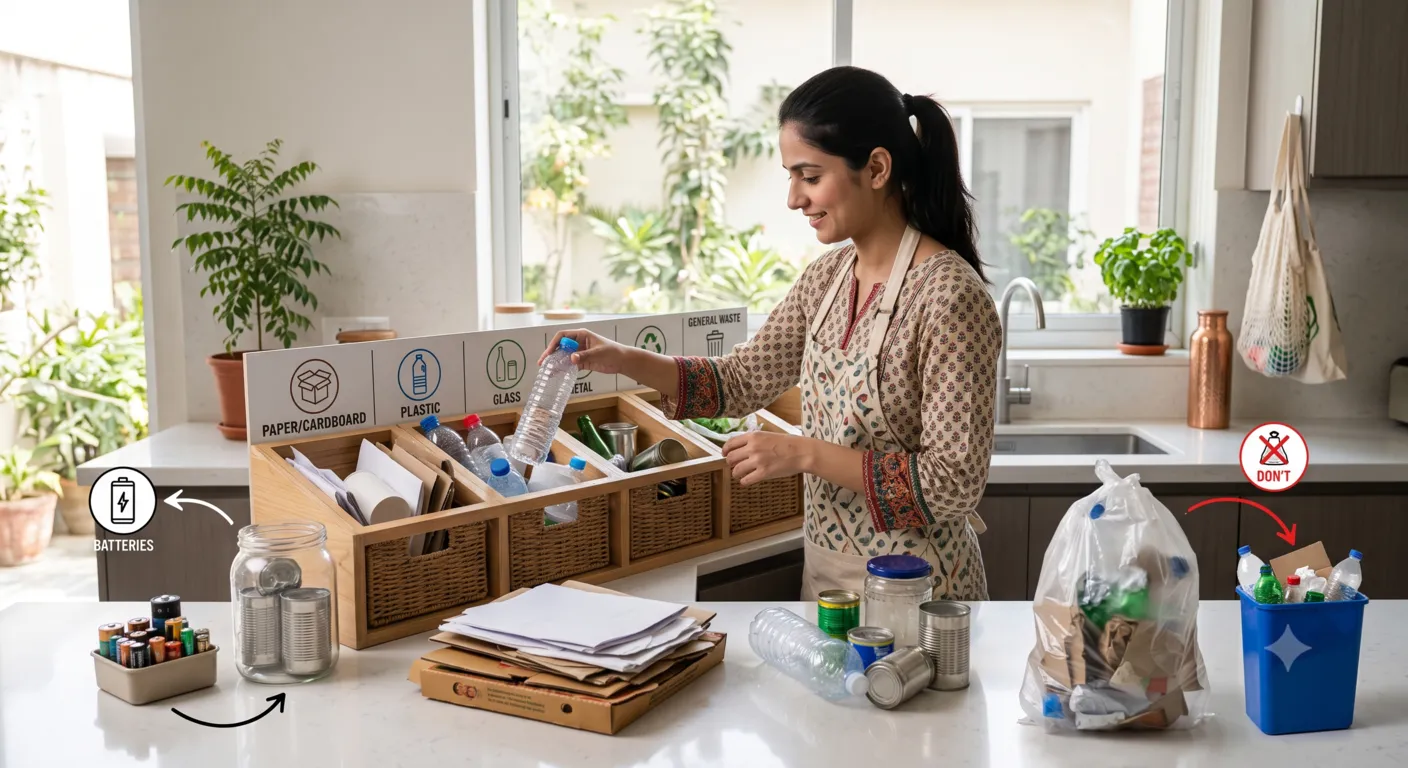
Even people who care about doing it right slip into these habits. Here are the most common ones and how to fix them.
Bagging your recyclables. Putting recyclables inside a plastic bag is one of the biggest mistakes. Workers often can’t open the bags, so the whole thing gets pulled out and trashed. Toss items loose into the bin instead.
Wishcycling. Throwing in something questionable and hoping for the best. When you’re unsure, leave it out. One bad item can spoil good material.
Not rinsing containers. Leftover food and liquid contaminate paper and other recyclables around it. A quick rinse is all it takes.
Recycling tiny items loose. Bottle caps, shredded paper, and small scraps fall through the sorting screens. Leave caps on bottles, and bag or skip shredded paper.
Trusting the triangle. That recycling symbol shows the plastic type, not local acceptance. Check what your program actually takes.
Tossing in tanglers. Hoses, cords, and string lights wrap around the equipment and jam it. Keep them out of the bin entirely.
Mixing in batteries and electronics. These don’t belong in curbside recycling and create fire and contamination hazards. Use dedicated drop-off programs.
Frequently Asked Questions
Do I need to wash containers before recycling them?
A rinse is enough — they don’t need to be spotless. The goal is to remove food and liquid so they don’t contaminate other materials. Let them dry before tossing them in.
What do the numbers on plastic mean?
The number inside the recycling triangle is a resin code that tells you what type of plastic it is, from #1 to #7. It does not guarantee the item is recyclable in your area. As a rule of thumb, #1 and #2 are widely accepted, while #3, #6, and #7 usually are not.
Can I recycle pizza boxes?
In most areas, yes. Scrape out loose food and crusts first. If part of the box is soaked in grease, tear that piece off and trash it, then recycle the clean part. Confirm with your local program if you’re unsure.
Why can’t plastic bags go in my recycling bin?
Plastic bags and film wrap around the spinning parts of sorting machines and cause jams that shut the line down. Collect clean, dry bags and bring them to the film drop-off bins many grocery stores offer.
Is it better to recycle or to reduce what I use?
Reducing comes first. Recycling is helpful, but it uses energy and isn’t guaranteed, especially for plastic. Buying less, choosing reusables, and avoiding single-use packaging are stronger eco-friendly habits than recycling alone.
What happens if I put the wrong thing in the bin?
It can contaminate the materials around it, jam equipment, or send a whole batch to the landfill. That’s why “when in doubt, throw it out” is the safer rule.
Final Thoughts
Recycling doesn’t have to be a guessing game. Once you know the basics — bottles and jugs over bags and foam, rinse before you toss, keep batteries and electronics separate, and never bag your recyclables — you’ve covered most of what comes through a normal household.
The two ideas worth holding onto: rules are local, so your city’s website is the real authority, and when in doubt, leave it out, because one wrong item can undo a whole bin of good effort.
You don’t need to get every single item perfect. Recycling is just one piece of living with less waste, alongside reducing what you buy, reusing what you have, and composting at home where you can. Start with the materials you handle every day, build the habit, and let it grow from there. Progress beats perfection, and every clean bin makes the system work a little better.