You cut half an avocado, eat the other half, and now you’re standing at the counter wrestling with a roll of plastic cling film that sticks to itself, your fingers, and everything except the bowl you’re trying to cover. Then it goes in the bin after one use. Multiply that by every leftover, every half-onion, every sandwich, and it adds up fast.
Beeswax wraps fix that small daily annoyance and cut down on throwaway plastic at the same time. They’re one of the easiest swaps in a low-waste kitchen because you don’t have to change how you cover food, just what you cover it with.
This guide breaks down the best beeswax wraps you can actually buy right now, how we chose them, and everything a beginner needs to know to use them well, from sealing a bowl to washing the wrap without ruining it. It’s a small swap that fits neatly into a broader zero waste lifestyle.
Why Use Beeswax Wraps?
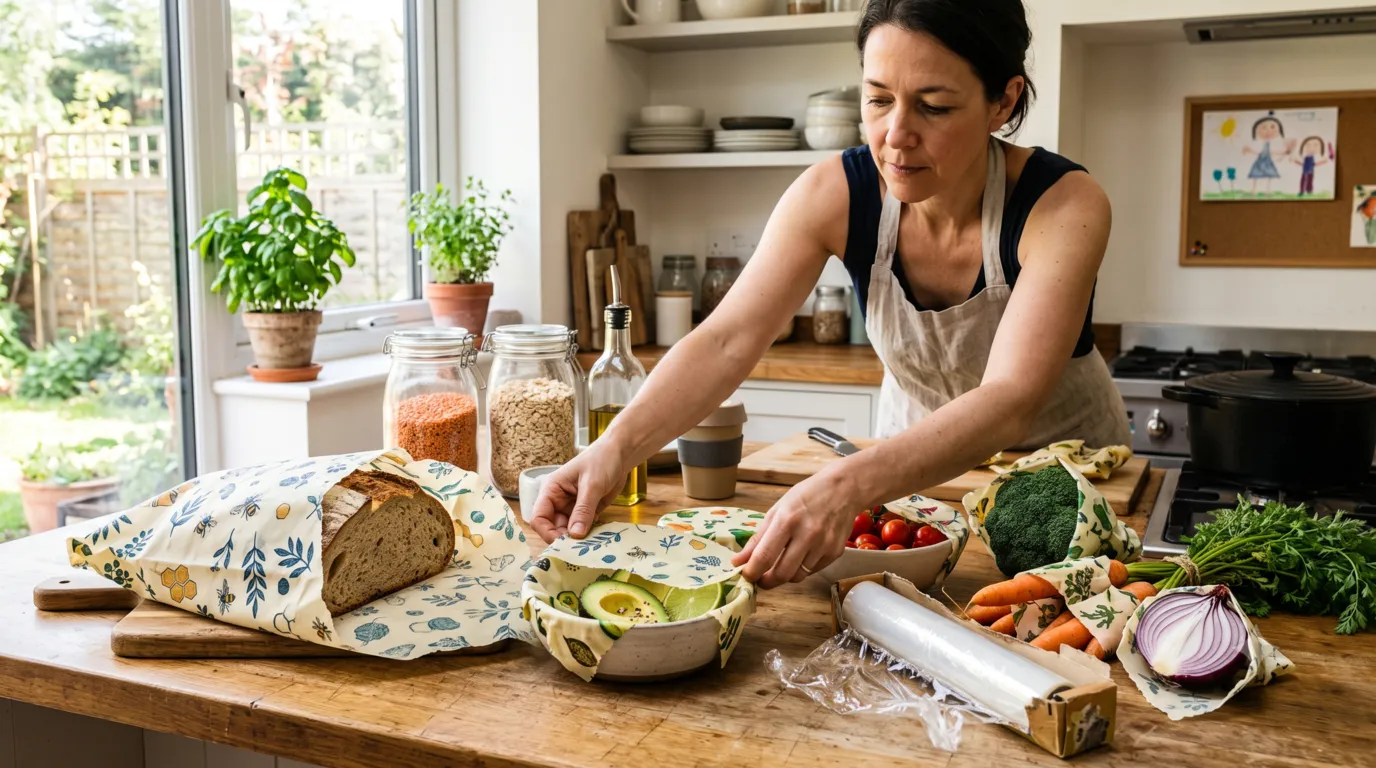
A beeswax wrap is a piece of cotton fabric coated with beeswax, tree resin, and a plant oil (usually jojoba). The warmth of your hands softens the coating so the wrap molds around food or a container, then holds its shape as it cools. It’s a simple, reusable alternative to plastic wrap.
Here’s why people make the switch:
- Less single-use plastic. Standard cling film is used once and almost never recycled. One set of wraps replaces months of plastic wrap, which is a meaningful cut to your kitchen waste.
- They save money over time. A good set lasts roughly six months to a year. Instead of buying roll after roll of plastic, you buy one set and reuse it.
- Good for certain foods. The cotton-and-wax surface breathes a little, so it tends to suit cheese, bread, and cut produce, which can sweat and spoil faster when sealed in airtight plastic.
- Compostable at the end of life. When an all-natural wrap finally wears out, you can cut it up and compost it (more on that below), so it doesn’t sit in a landfill for centuries.
- No plastic chemicals against your food. Most quality wraps are free of BPA, phthalates, and PVC.
They’re not magic, and they don’t do everything plastic does. But paired with our other plastic-free food storage ideas, they cover most of what a home kitchen needs.
How We Tested These Products
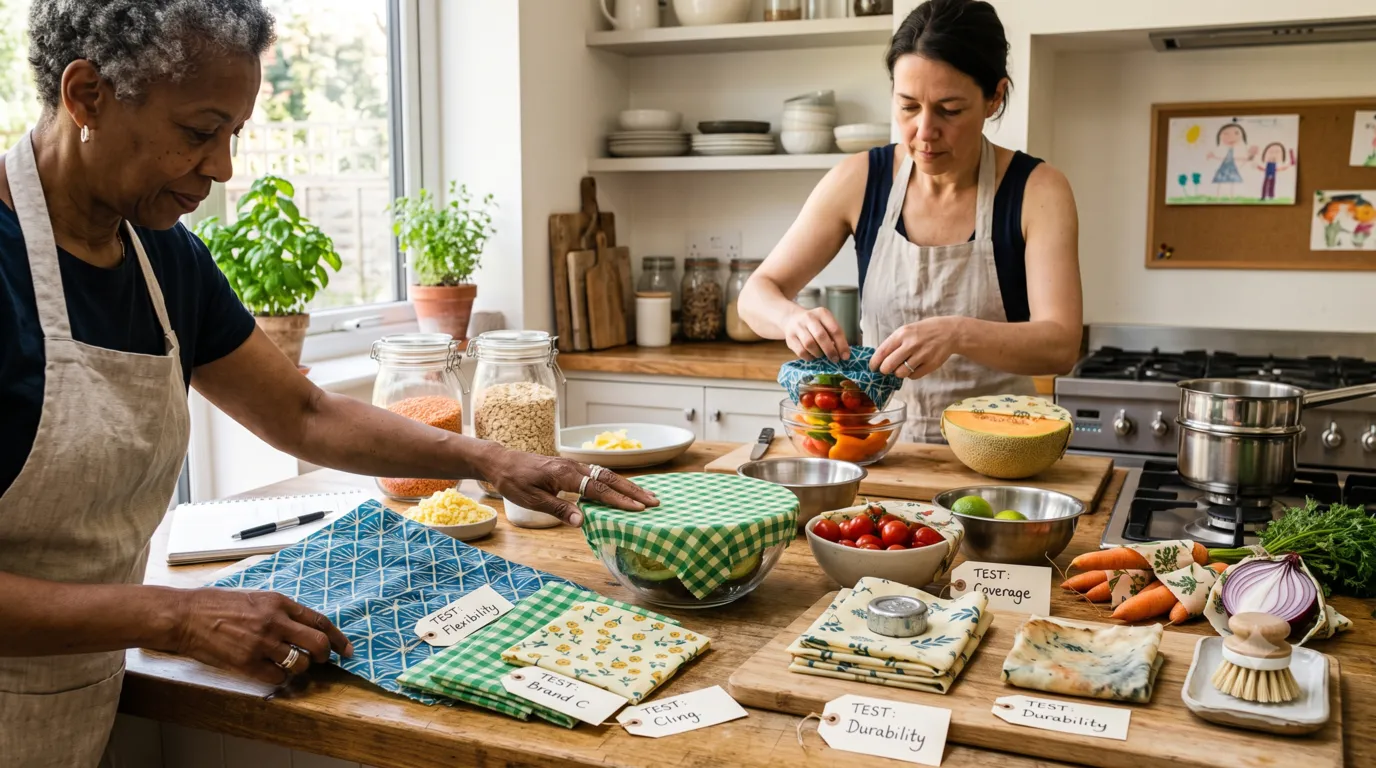
We approached this the way a careful shopper would, not a marketing team. Rather than taking brand claims at face value, we compared products against the things that actually matter once a wrap is in your kitchen.
Our picks are based on a mix of hands-on use, manufacturer specifications, third-party certifications, and patterns across verified buyer reviews. Here’s what we weighed:
- Cling and seal. Does the wrap grip itself and the bowl after a few seconds of hand-warmth, or does it pop open in the fridge?
- Durability over washes. Cheap wraps crack and lose their coating within weeks. We favored options known to stay pliable for months.
- Ingredients and certifications. We looked for organic cotton (GOTS), food-grade certification, and responsibly sourced beeswax over vague “natural” labels.
- Sizing and versatility. A useful set covers small jars and large bowls, so we prioritized varied sizes and bread- or roll-style options for bigger jobs.
- Ease of cleaning. Wraps that rinse clean in cool water and air-dry quickly get used more often.
- Scent. A faint beeswax smell is normal and fades. A strong, waxy, or rancid odor is a red flag.
- Value per wrap. We divided price by the number and size of wraps to compare the real cost, not just the sticker price.
A note on what “tested” means: product availability, pricing, and even formulations change often. Treat the picks below as a strong shortlist, and check the current listing and recent reviews before you buy.
Best Overall Beeswax Wrap
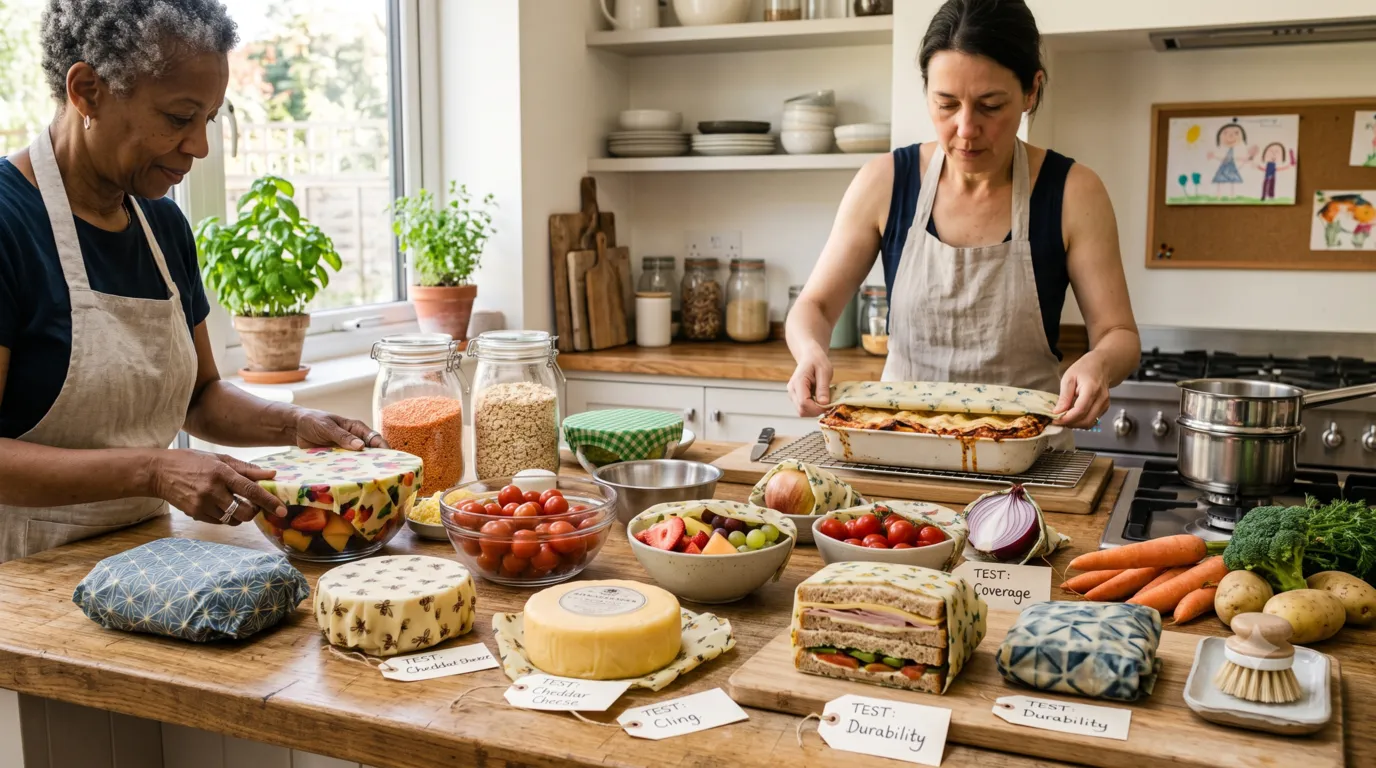
Bee’s Wrap Reusable Beeswax Food Wraps (Assorted 3-Pack)
Bee’s Wrap is the original beeswax wrap brand and still the one most others are measured against. The assorted pack gives you a small, a medium, and a large wrap, which covers the most common jobs: topping a jar or bowl, wrapping a sandwich or block of cheese, and covering a salad bowl or half a melon.
The wraps are made in Vermont from GOTS-certified organic cotton, responsibly sourced beeswax, organic jojoba oil, and tree resin. They mold and self-stick reliably, hold up to regular use for up to a year, and are compostable when worn out. Thousands of buyers rate them highly, and that reputation has held for years.
What we like: consistent cling, genuinely organic materials, and sizes that suit a beginner’s everyday use.
Keep in mind: it’s a premium price for three wraps. If you want quantity, see the value pick below.
Best for: anyone who wants a proven, no-fuss first set and is happy to pay a bit more for quality.
Best Value Option

Akeeko Reusable Beeswax Food Wraps (Assorted 9-Pack)
If you’d rather start with a full drawer of wraps than a careful three, this is the one. A typical Akeeko 9-pack includes five small, a few medium, and one large or extra-large wrap, so you can outfit your whole kitchen at once and still have spares.
The fabric is GOTS-certified organic cotton, the wraps carry European LFGB food-safety certification, and the packaging is recycled paper. Ingredients are the standard cotton, beeswax, tree resin, and cold-pressed jojoba oil. Like most wraps in this price range, the smallest sizes are the most useful, and there’s a stronger beeswax scent and extra tackiness when new that settle down after a few uses.
What we like: lots of wraps for the money, real certifications, and fun patterns that make them easy to spot in a drawer.
Keep in mind: budget wraps generally don’t last quite as long as premium ones, so plan to refresh or replace a little sooner.
Best for: beginners testing the waters, shared households, or anyone who wants maximum coverage at the lowest cost per wrap.
Best Organic Option
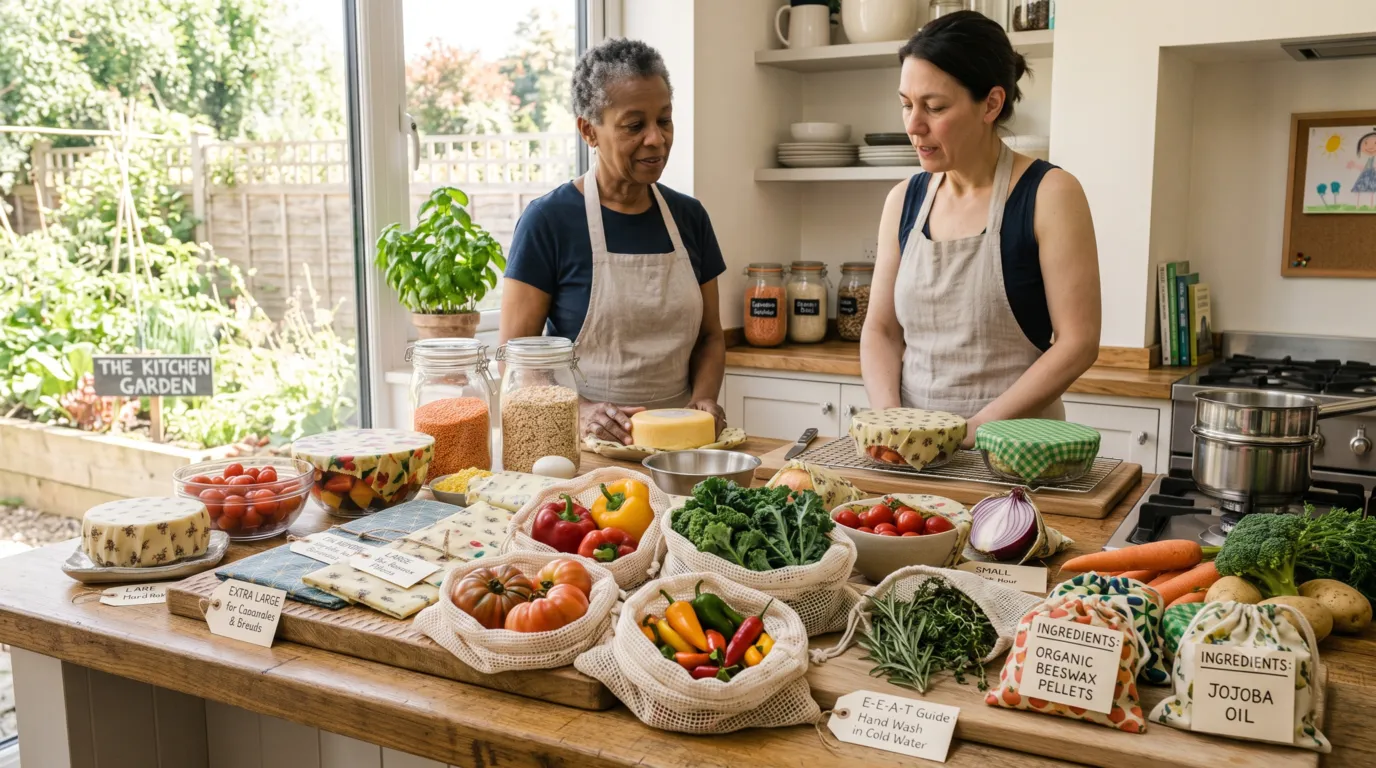
Bee Carefree Reusable Beeswax Wraps (4-Pack with Produce Bag + 2 Beeswax Bars)
For shoppers who care most about clean ingredients and longevity, this set stands out. The wraps are made from organic cotton, organic beeswax, and jojoba oil, and the pack includes a reusable produce bag plus two beeswax bars so you can re-coat the wraps when the wax starts to thin.
That last detail matters. The biggest reason wraps get thrown out early is a worn coating, and a refresh bar lets you extend their life instead of buying new ones. It’s a small thing that fits the whole point of going low-waste.
What we like: organic across the board, plus the tools to keep the wraps going longer.
Keep in mind: it’s a smaller pack, so pair it with a value set if you need to cover a busy kitchen.
Best for: organic-focused buyers who want to maintain their wraps rather than replace them.
Best for Large Families

Bee’s Wrap Reusable Roll (14″ x 52″, Cut-to-Size)
Pre-cut wraps are convenient until you need to cover an oversized bowl, a casserole dish, or a loaf of bread, and nothing fits. A roll solves that. You cut exactly the size you need, which makes it the most flexible and economical choice for households that store a lot of food.
The Bee’s Wrap roll is made in the USA from the same organic cotton, beeswax, plant oil, and tree resin as the brand’s pre-cut wraps. One roll yields a lot of custom wraps, so the cost per cover is low, and it’s compostable when finished.
If your family bakes, it’s worth adding a dedicated XL beeswax bread bag to keep sourdough and other loaves fresh without going stale or losing their crust. For sheer quantity at a lower price, a larger multipack like the Akeeko 12-pack or rolls from brands such as Meli Wraps are solid alternatives.
What we like: cut-to-fit flexibility, low cost per wrap, and handles the big jobs pre-cut sets can’t.
Keep in mind: you have to cut and (sometimes) hem or simply trim the edges yourself, which takes a few extra seconds.
Best for: big households, batch cooks, and bakers who store large or odd-shaped items.
How to Clean and Maintain Beeswax Wraps
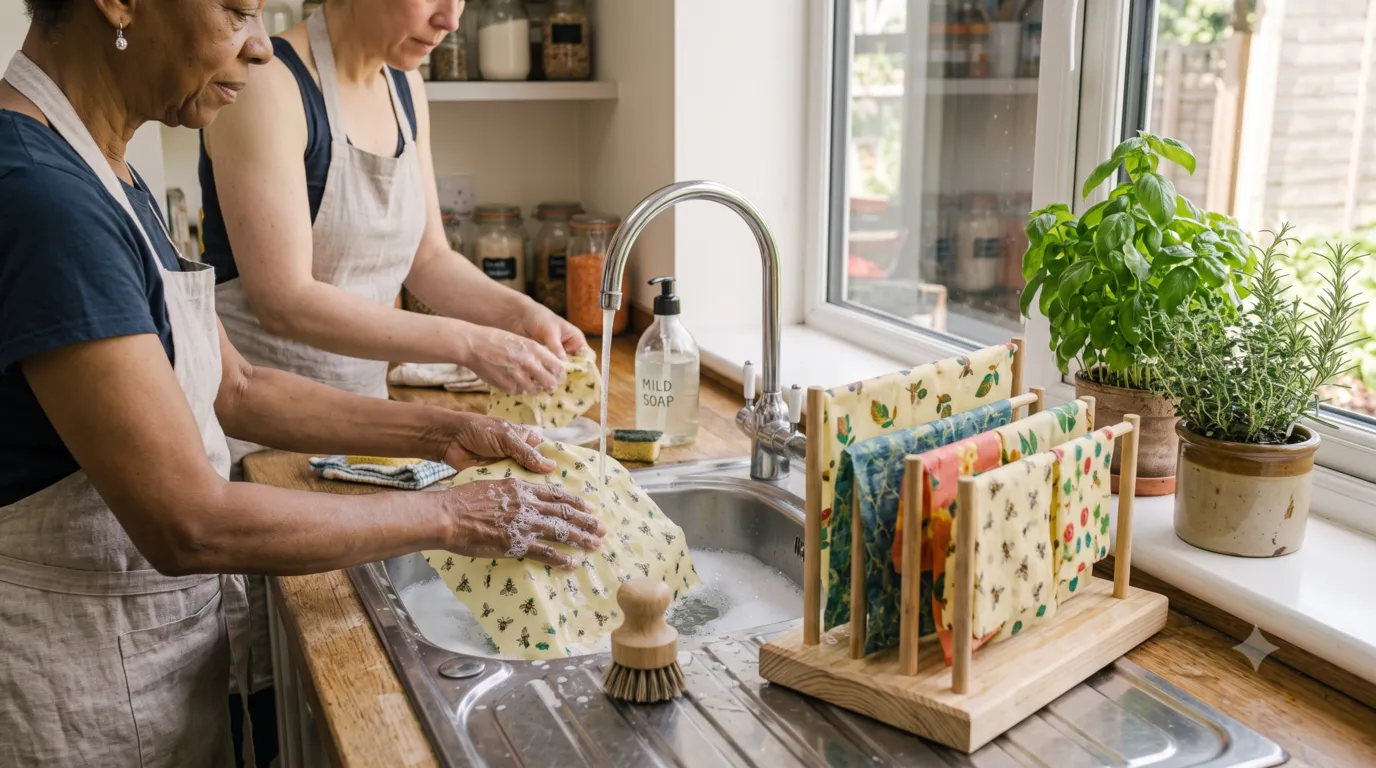
Caring for wraps is genuinely easy, but a few rules keep them alive far longer. The single most important one: keep them away from heat. If wraps are your first step, see our full guide on how to build a zero waste kitchen for what to tackle next.
Washing
Rinse the wrap under cool running water with a little mild dish soap and a soft sponge or cloth. Wipe gently and rinse. That’s it.
Never use hot water; it melts the wax coating and ruins the wrap. The same goes for the dishwasher, microwave, oven (except for refreshing, below), and clothes dryer.
Drying and Storing
Shake off excess water and air-dry the wrap flat on a dish rack or draped over a tap. Once dry, fold it or roll it up and keep it in a drawer. Some people store rolled wraps in a jar on the counter as a visible reminder to actually use them.
Make sure a wrap is fully dry before storing it, since putting it away damp invites odors.
Refreshing
After months of use, the coating thins and the wrap stops sticking well. You can revive it instead of tossing it. Lay the wrap on parchment paper and warm it in the oven on the lowest setting for a minute or two until the wax re-melts and spreads evenly, or rub a beeswax bar over it and melt it in the same way. Let it cool, and it’s good to go again.
With proper care, expect most wraps to last six to twelve months. Light users often get longer.
When It’s Worn Out
Once a wrap is past reviving, an all-natural one can be cut into strips and composted, or used as a natural fire starter. That zero-waste ending is part of why people choose them.
Buying Guide
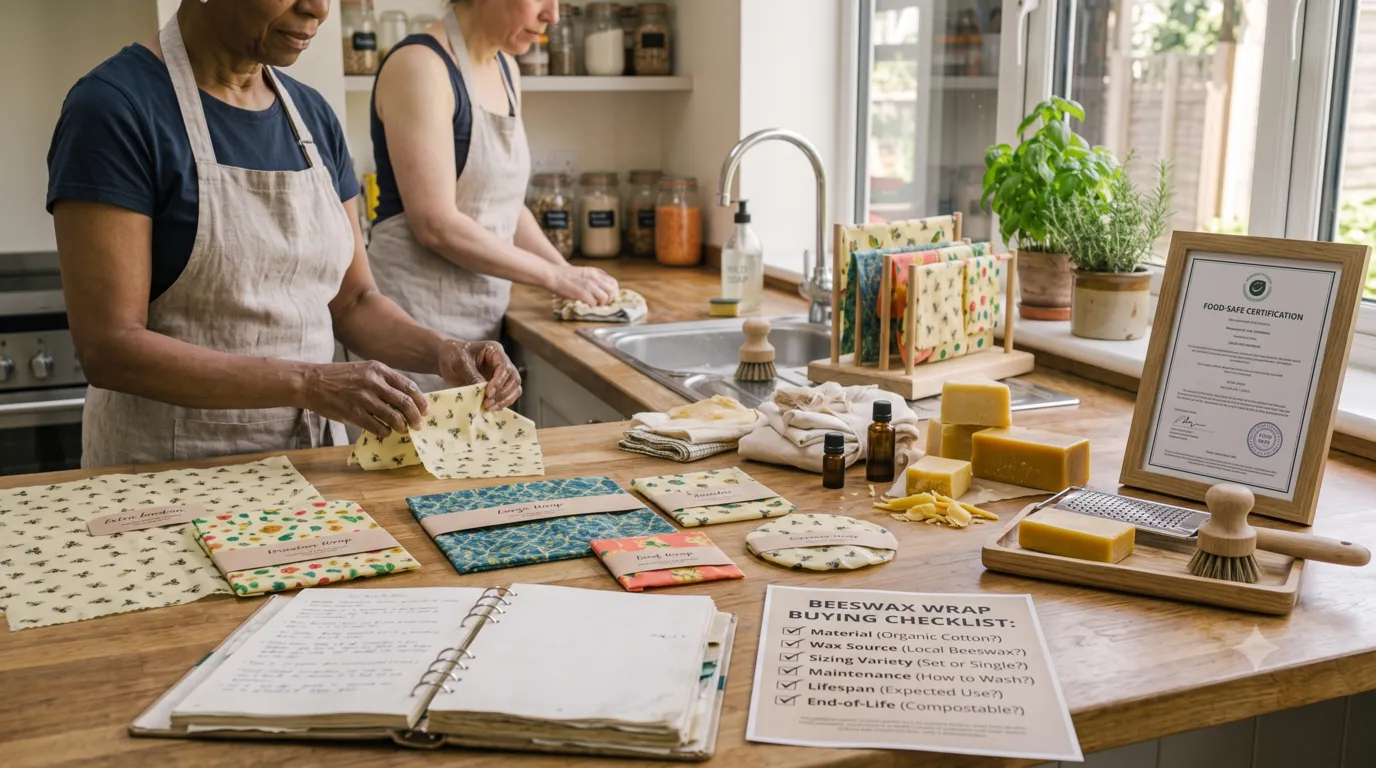
Not sure how to choose? Here’s what actually matters when you’re comparing reusable food wraps.
Ingredients and Materials
Look for GOTS-certified organic cotton and responsibly sourced beeswax, plus jojoba oil and tree resin (the resin is what gives the wrap its grip). Food-safety marks like LFGB or FDA food-grade are a good sign, and so are statements that the wrap is free of BPA, phthalates, and PVC. Be a little skeptical of vague “all-natural” claims with no certification behind them.
Sizes and Variety
A mix of sizes is more useful than a stack of one size:
- Small (around 7″ x 8″) — jars, cut lemons, avocados, small snacks.
- Medium (around 10″ x 11″) — cheese blocks, half a sandwich, small bowls.
- Large (around 13″ x 14″) — bigger bowls, leftover pizza, greens, half a melon.
- Extra-large, rolls, and bread bags — large dishes and bread.
If you’re buying your first set, an assorted pack is the safest bet.
Pack Size and Cost Per Wrap
Don’t just compare sticker prices. Divide the price by the number (and size) of wraps to find the real cost. A bigger pack often works out cheaper per wrap, but only buy what you’ll realistically use before the coating ages.
Vegan or Beeswax?
Beeswax is an animal product. If you’d rather avoid it, look for vegan wax wraps, which use plant-based waxes like candelilla, soy, or carnauba instead. They work on the same warm-and-mold principle, though many users find traditional beeswax grips slightly better.
Scent and Stickiness
A faint, natural beeswax smell and some extra tack are normal on new wraps and fade with the first few uses. A strong chemical or rancid smell is not normal, and it’s a reason to return them.
Frequently Asked Questions
How long do beeswax wraps last?
With proper care, most quality wraps last six to twelve months of regular use. Lighter use and occasional refreshing with a wax bar can stretch that even longer.
Are beeswax wraps safe for food?
Yes. Reputable wraps use food-grade beeswax, food-safe oils, and cotton, and are typically free of BPA, phthalates, and PVC. Check for food-safety certifications (like LFGB or FDA food-grade) on the listing if you want extra reassurance.
Can I use beeswax wraps for raw meat or fish?
No. Raw meat and fish can leave bacteria the wrap can’t be safely sanitized of, since you can’t wash it in hot water. Use wraps for produce, cheese, bread, snacks, and covering bowls, and stick to other storage for raw proteins.
Can beeswax wraps go in the fridge or freezer?
The fridge is exactly where they shine. The freezer is best avoided for long-term storage, as the cold makes the wax brittle and prone to cracking. For freezing, use a more suitable container.
Will my food taste like honey?
No. The beeswax scent is faint and stays in the wrap, not your food. Any mild smell on a brand-new wrap fades after the first couple of uses.
Are beeswax wraps actually better for the environment?
They are, if you use them consistently. The benefit comes from replacing many single-use plastic wraps over the wrap’s lifetime and then composting it at the end. A wrap used a handful of times and abandoned in a drawer doesn’t deliver much. Used regularly for months, it’s a genuine reduction in plastic waste.
Final Verdict
Beeswax wraps are one of the simplest, highest-impact swaps you can make toward a lower-waste kitchen, and there’s no real learning curve. Warm, press, seal, rinse, repeat.
If you want one easy recommendation, start with Bee’s Wrap for proven quality, or grab the Akeeko 9-pack if you’d rather kit out your whole kitchen cheaply. Organic-focused shoppers will like Bee Carefree with its refresh bars, and big or baking households should reach for a cut-to-size roll.
Whichever you choose, the formula for success is the same: keep them away from heat, wash them in cool water, and actually use them. Do that, and a single set will quietly replace months of plastic wrap, save you money, and keep your food fresh, all from a piece of waxed cotton.