Think about the last time you unpacked your groceries. The plastic wrap around the cucumber, the foam tray under the chicken, the thin produce bags you used once and tossed. A few days later, half a bag of spinach goes soft in the fridge and ends up in the bin too.
Most of us never notice how much waste a single grocery run creates, because it shows up in small, ordinary pieces. Added up over a year, though, it’s a lot — of plastic, of wasted food, and of money quietly thrown away.
Zero waste grocery shopping is the practice of buying food and household goods in a way that creates as little trash as possible — less packaging, less single-use plastic, and less food that spoils before you use it.
Here’s the part that surprises people: you don’t need a special zero waste store, a pantry full of matching jars, or a perfect routine to start. You can shop with far less waste at a regular supermarket, beginning on your very next trip.
This guide breaks it all down — why grocery shopping creates so much waste, the simple habits that make the biggest difference, how it can actually save you money, and the beginner mistakes worth skipping. It’s one of the easiest habits to build into a full zero waste lifestyle.
Why Grocery Shopping Creates Waste
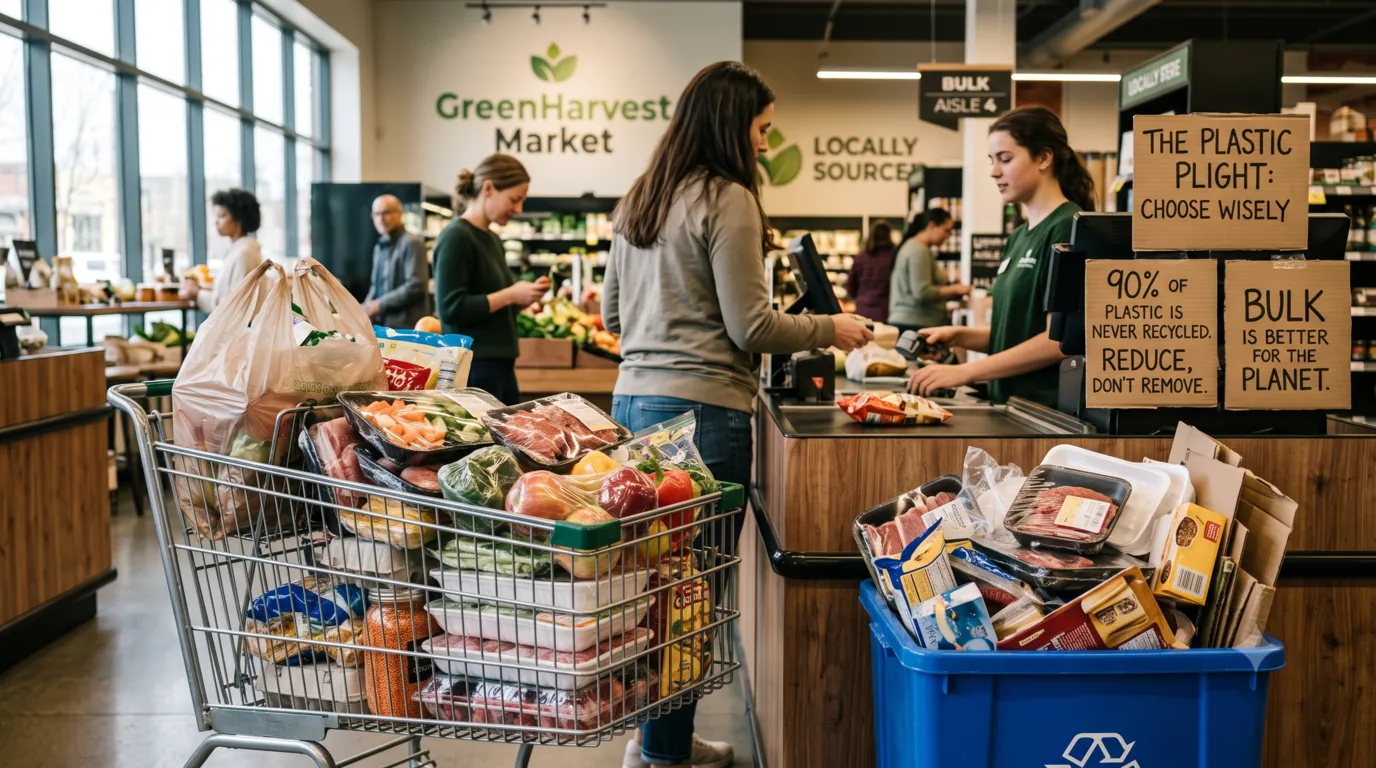
Before you can cut waste, it helps to see where it comes from. Most grocery waste falls into a few clear buckets:
- Packaging. Plastic wrap, trays, clamshells, multi-layer pouches, and single-use produce bags. Much of it can’t be recycled and is used for only a few minutes before it’s binned.
- Food that spoils. Items you buy with good intentions but never get around to eating. Spoiled food is one of the biggest hidden sources of household waste.
- Overbuying. Bulk “deals” and stock-up impulses that look smart at the register but rot in the fridge.
- Single-use bags. The plastic carry bags you bring groceries home in, then throw away.
The encouraging thing about this list is that nearly every item on it is within your control. You can’t redesign a manufacturer’s packaging, but you can choose what lands in your cart and how much of it you actually use. That’s where zero waste grocery shopping really lives — in everyday decisions, not big sacrifices.
Make a Shopping List
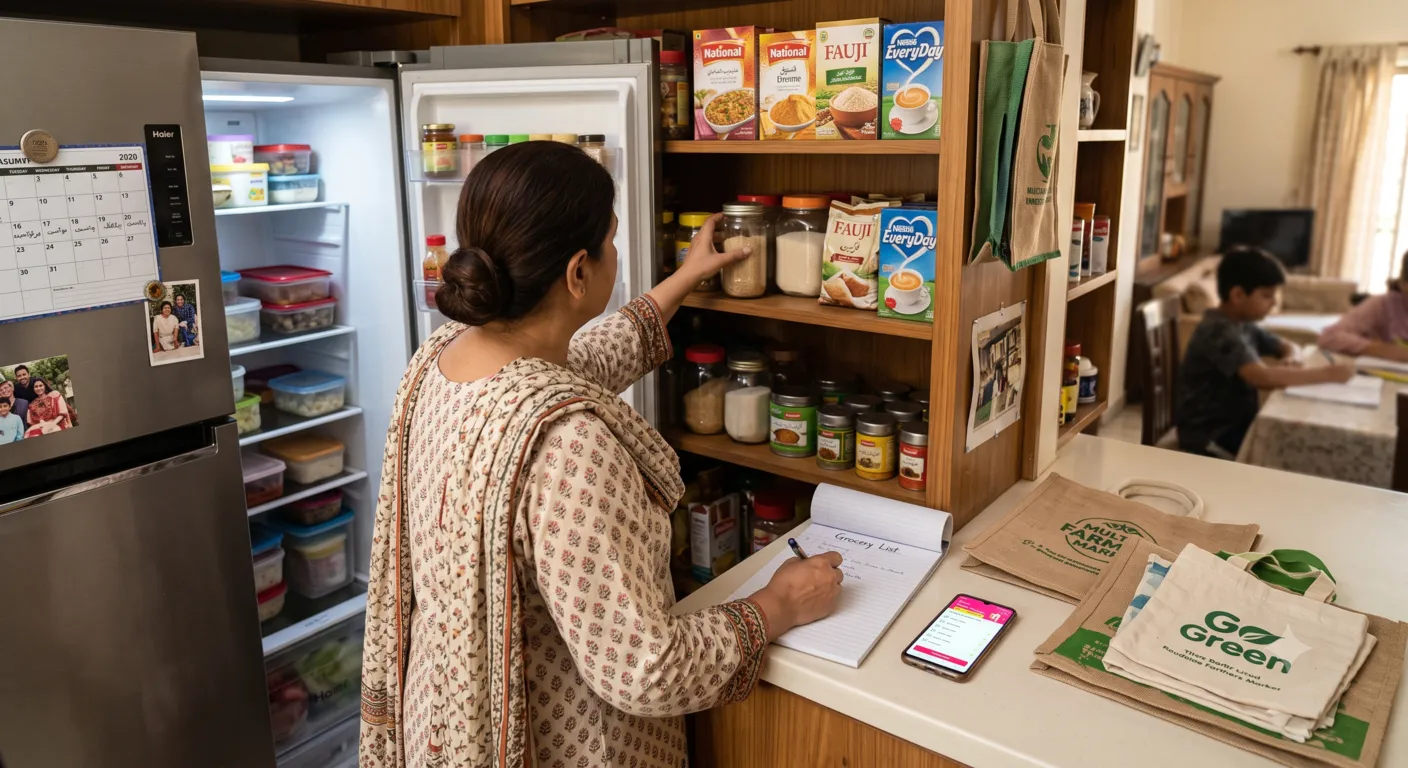
A shopping list is the single most powerful waste-reducing tool you have, and it costs nothing. Pair it with our easy zero waste meal planning tips for the best results.
When you walk in without a plan, two things tend to happen: you buy things you already have at home, and you grab extras you don’t need. Both lead straight to wasted food and wasted money.
A good list starts before you leave the house:
- Check what you already have. Look in the fridge, freezer, and pantry first. You’ll often find you don’t need half of what you assumed.
- Plan a few meals. You don’t have to map out every dinner for the month. Even sketching three or four meals tells you exactly what to buy.
- Write down quantities. “Two onions,” not just “onions.” Specifics stop you from over-grabbing.
- Stick to it. Treat the list as the plan, not a loose suggestion.
When I switched to shopping from a real list instead of memory, the change in my fridge was obvious within a couple of weeks — far less food going soft and forgotten in the back.
Bring Reusable Bags
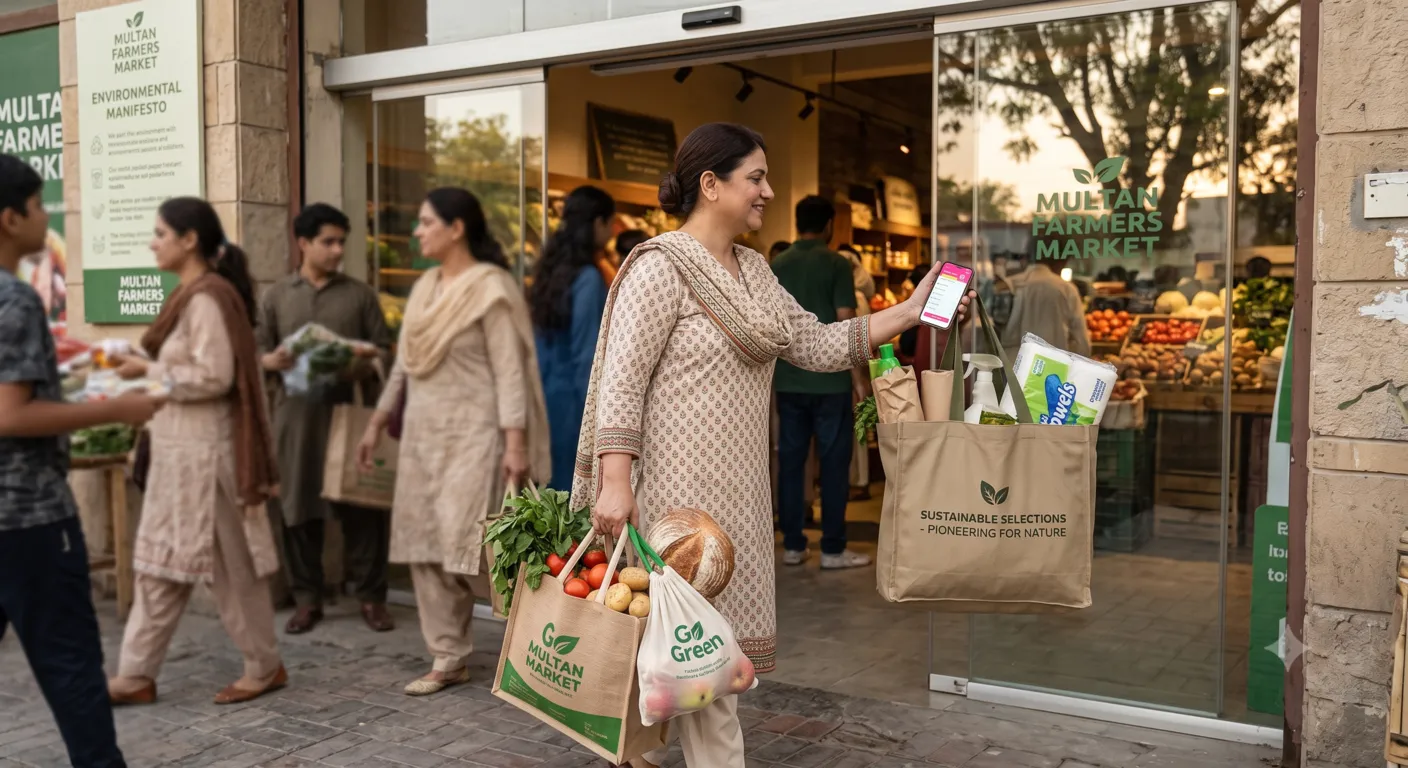
Single-use bags are one of the easiest forms of waste to eliminate completely, and you only have to solve the problem once. If you need a starting point, see our picks for the best reusable grocery bags of 2026.
You’ll want two kinds:
- Carry bags for getting everything home. Sturdy totes, canvas bags, or foldable ones all work.
- Produce bags for loose fruit and vegetables. Lightweight mesh or cotton bags replace those flimsy plastic ones in the produce aisle.
The real challenge isn’t owning reusable bags — it’s remembering them. Almost everyone forgets at first. A few tricks that help:
- Keep a stash in the car so they’re always with you.
- Hang one by the front door as you head out.
- Tuck a foldable bag into your everyday backpack or purse.
- Put the empty bags back in the car the moment you’ve unpacked, before you forget.
One small note on produce: sturdy items like bananas, oranges, onions, and avocados don’t need a bag at all. You can place them straight in your cart.
Buy in Bulk
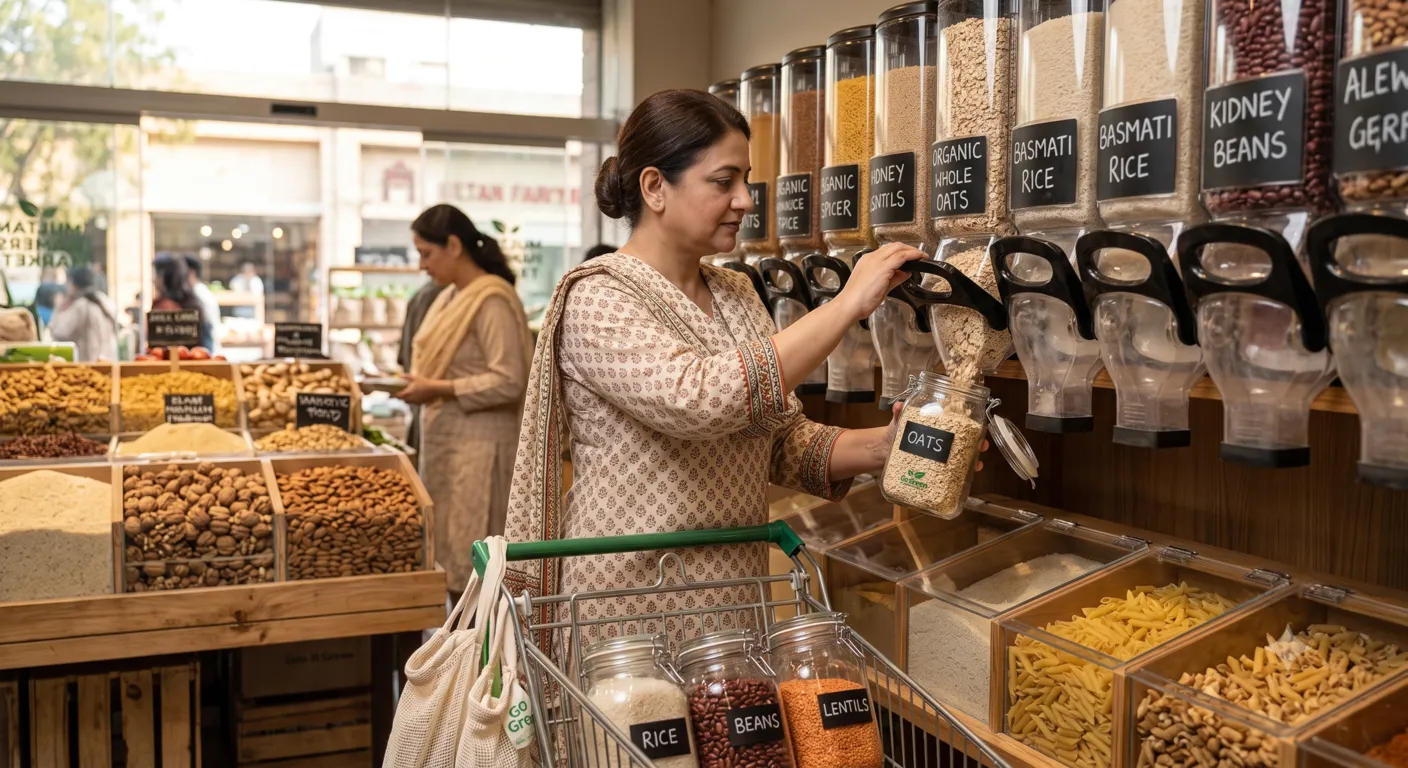
Buying in bulk is a cornerstone of plastic free grocery shopping, because it lets you skip packaging entirely.
Many stores have bulk bins for staples like rice, oats, dried beans, lentils, pasta, nuts, and spices. Instead of buying these in plastic packets, you scoop exactly what you need into your own container or a reusable bag.
If your store lets you bring your own jars, here’s how it usually works:
- Weigh your empty container first (this is called the “tare weight”) and have a staff member mark it, or note it yourself.
- Fill it from the bin.
- At checkout, the tare weight is subtracted so you only pay for the food, not the jar.
Bulk shopping comes with one important rule, though: only buy what you’ll realistically use. A giant scoop of an exotic grain you’ll never cook isn’t a win — it’s future food waste with no packaging. Bulk works best for the everyday staples you go through regularly.
Choose Products With Less Packaging
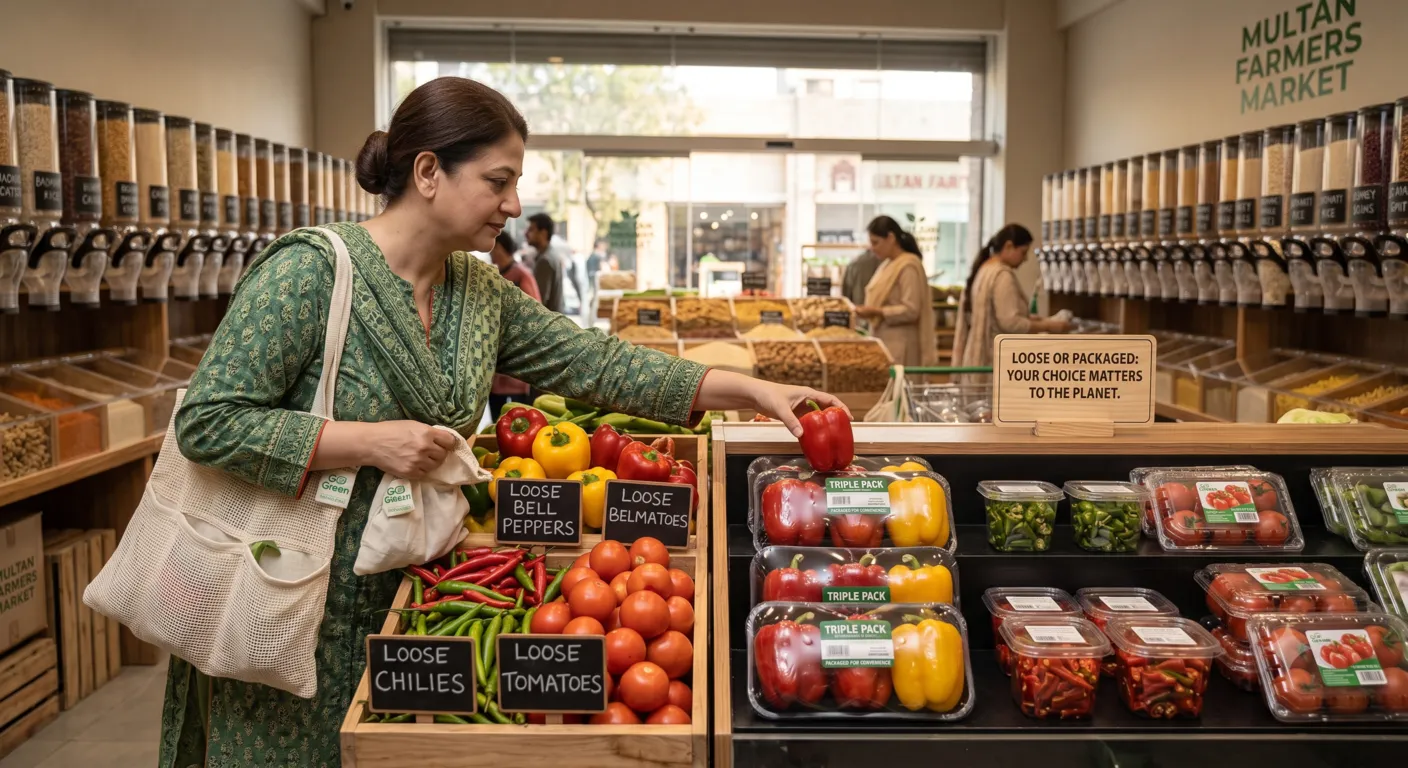
When something isn’t available in bulk, you can still cut waste by picking the lower-packaging version of the same product. This habit alone makes a real dent over time.
A few things to compare while you shop:
- Loose vs. pre-packaged produce. Choose the loose apples over the plastic bag of apples.
- Material matters. Glass, metal, and paper are more widely recyclable than soft or mixed plastics. A jar of sauce beats a plastic pouch.
- Bigger over single-serve. One large yogurt tub creates far less waste than a pack of small cups. The same goes for snacks, drinks, and condiments.
- Concentrates and refills. Concentrated cleaners or refill pouches use less material than buying a brand-new bottle every time.
You won’t get it right on every item, and that’s fine. The goal of eco friendly shopping is to make the better choice when there’s a clear one — not to stand in the aisle agonizing over every label.
Shop Local When Possible
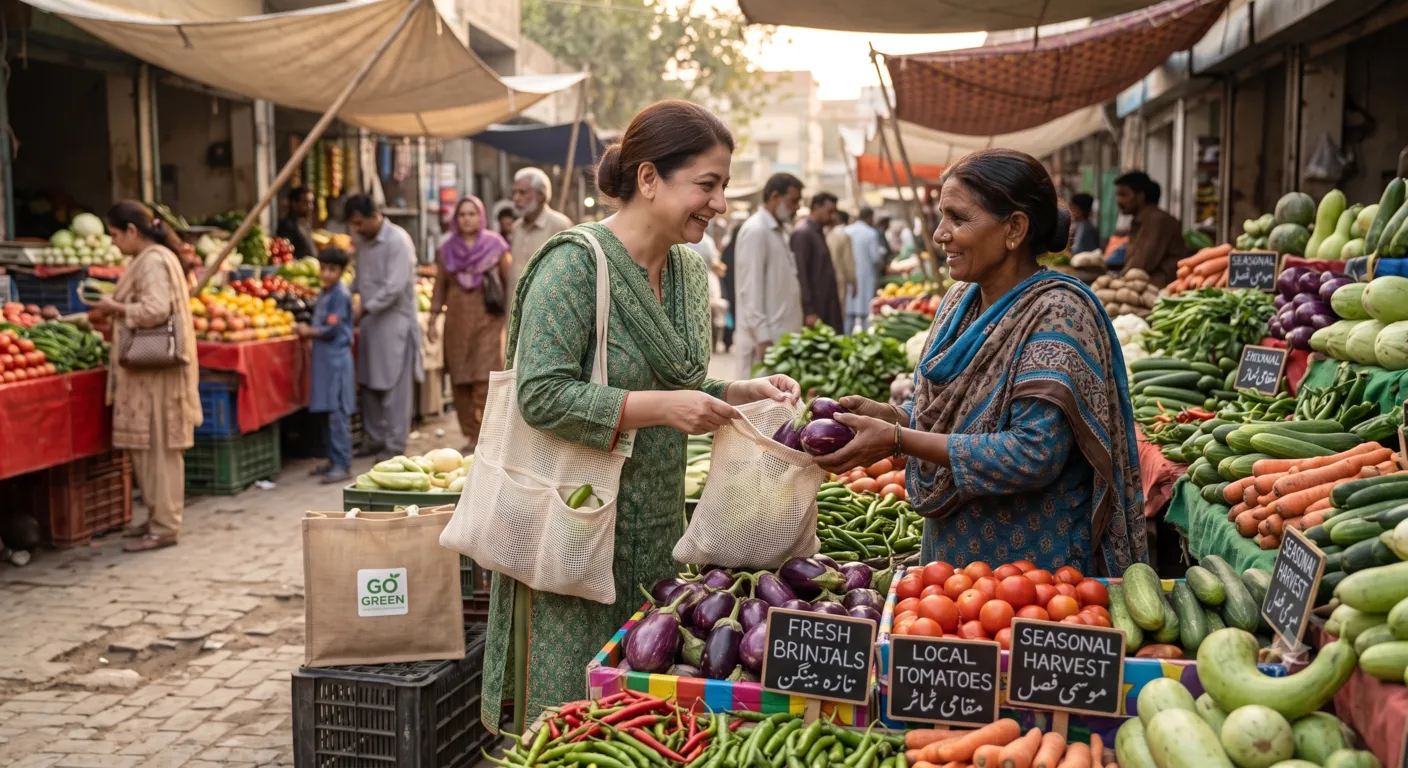
Local food sources are some of the best places for low-waste shopping, and the food often lasts longer too.
Farmers markets, produce stands, co-ops, and local butchers or bakeries tend to use far less packaging than big supermarkets. Much of the produce is sold loose, and many vendors are happy to let you use your own bags or containers if you simply ask.
The benefits stack up nicely:
- Less packaging by default.
- Fresher food, which means it lasts longer and you waste less of it.
- Support for nearby growers and small businesses in your area.
A quick reality check: not everyone lives near a farmers market, and budgets vary. Local isn’t always cheaper or even possible, and that’s okay. Even swapping one part of your routine — say, buying produce locally once or twice a month — counts as real progress in sustainable grocery shopping. Do what fits your life.
Avoid Impulse Purchases
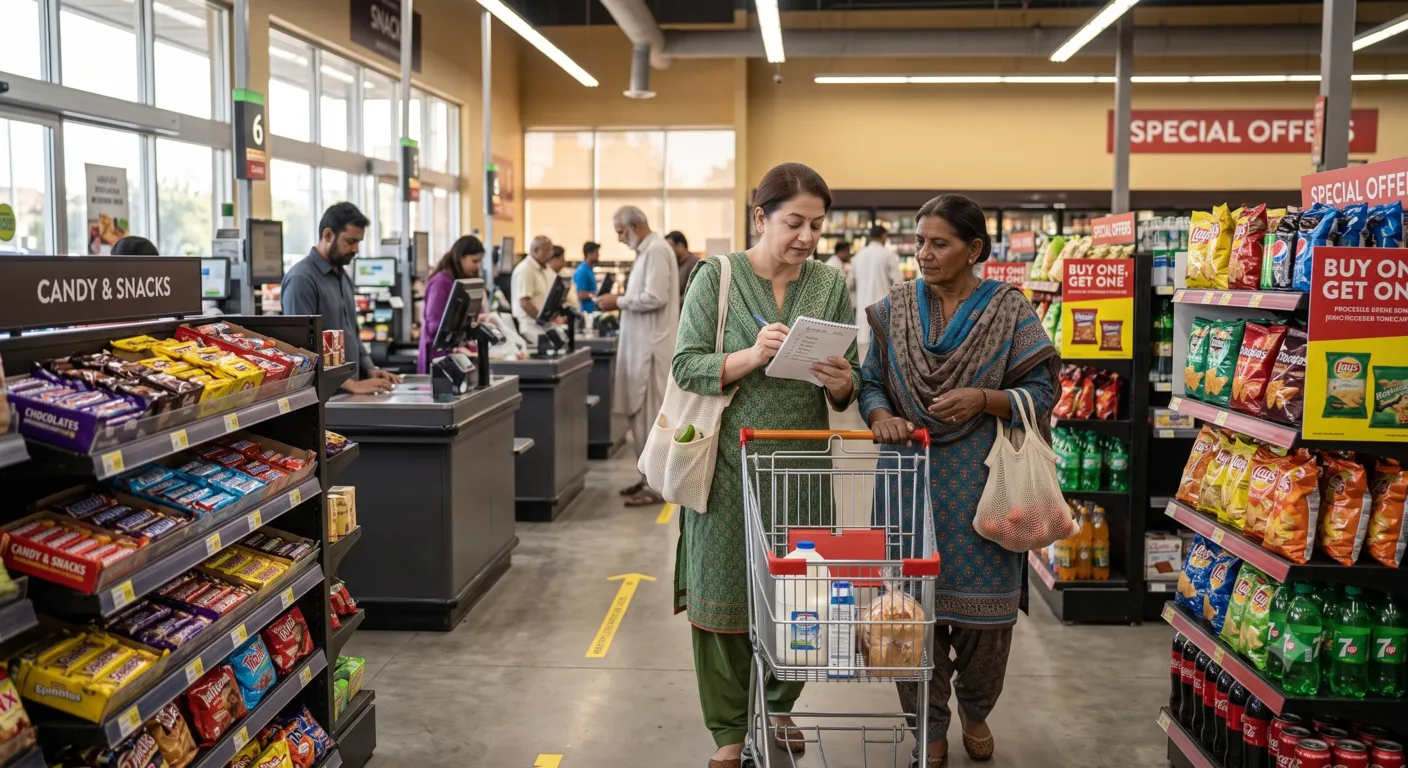
Impulse buys are where good intentions quietly fall apart. That snack by the register or the “buy two, get one free” sign feels harmless, but it often turns into extra packaging and food you never finish.
Stores are designed to encourage these grabs. Eye-level displays, end-of-aisle deals, and tempting items right at checkout all exist to get unplanned products into your cart.
A few simple defenses:
- Shop your list, not the displays. If it’s not on the list, pause before it goes in.
- Don’t shop hungry. Hunger turns almost everything into a must-buy. A quick snack beforehand helps more than you’d think.
- Be skeptical of perishable “deals.” Three for the price of two is no bargain if one of them ends up in the bin.
- Wait on non-essentials. If you still want it next trip, you can buy it then.
Cutting impulse buys is one of those habits that helps your wallet and your waste at the same time.
Save Money While Reducing Waste

One of the biggest myths is that shopping sustainably costs more. In practice, zero waste grocery shopping usually saves money, because most low-waste habits are also money-saving habits.
Here’s why the two line up so often:
- Buying only what you need means less food rotting in the fridge — and wasted food is wasted money.
- Bulk staples like rice, beans, and oats are often cheaper per unit than their packaged versions.
- Reusables pay for themselves. A set of bags or jars is a one-time cost that replaces things you’d otherwise keep rebuying.
- Fewer impulse buys keep your total at the register lower with no effort at all.
- Cooking from basic ingredients tends to cost less than leaning on heavily packaged convenience foods.
The pricey part of “eco living” is usually the trendy stuff — special gadgets and branded reusables you don’t actually need. Strip those away, and a low-waste approach is often the frugal one.
Common Grocery Shopping Mistakes
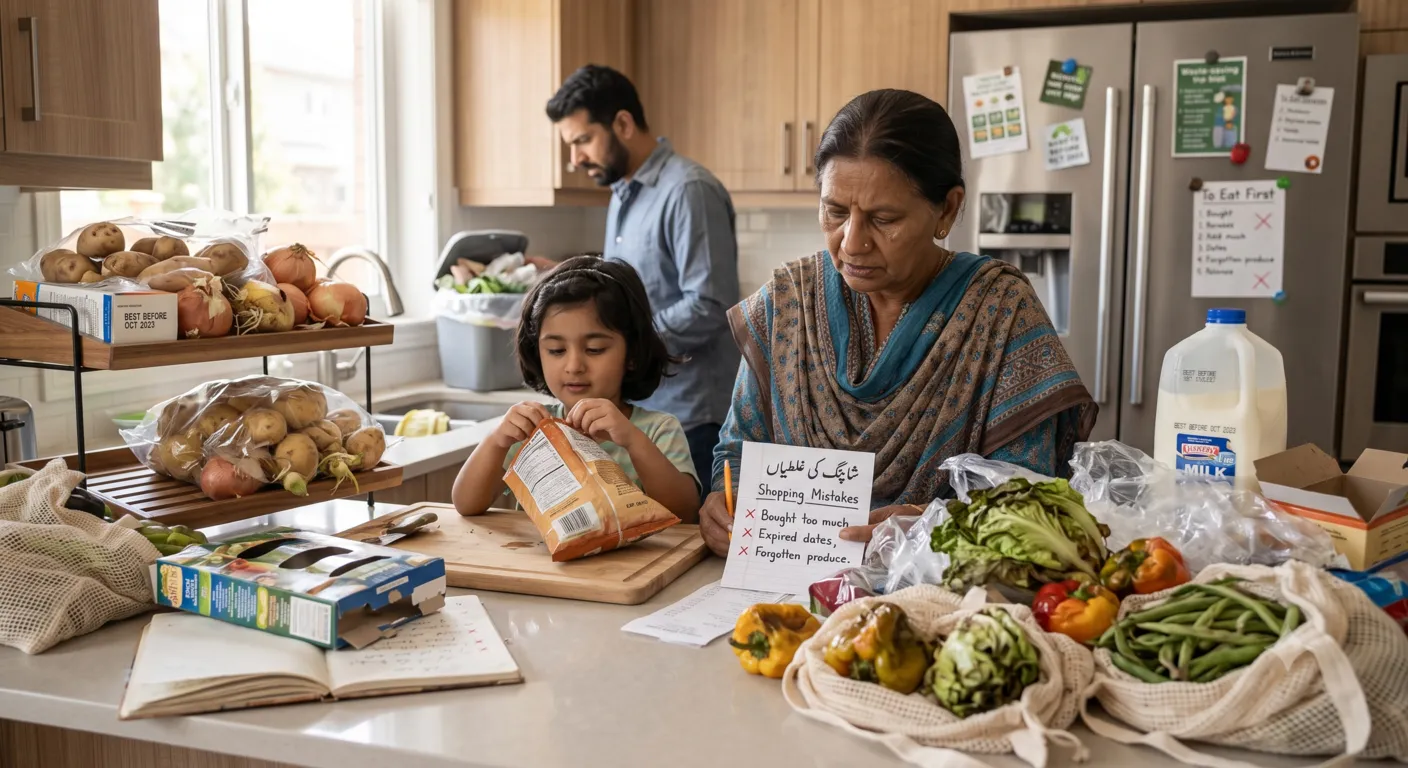
Almost everyone hits a few of these early on. Knowing them ahead of time saves you the frustration.
- Trying to go fully zero waste overnight. This is the fastest way to burn out. Fix: change one habit at a time and let it stick before adding another.
- Buying bulk you won’t use. Unpackaged food still goes to waste if it sits uneaten. Fix: buy realistic amounts of things you actually eat.
- Forgetting reusable bags. It happens to everyone. Fix: keep spares in the car and by the door so you’re never caught out.
- Chasing “eco” labels. Buying new “green” products you don’t need creates waste too. Fix: focus on using what you already have and buying less overall.
- Ignoring food storage. Even great groceries spoil if they’re stored poorly. Fix: learn to store produce properly so it lasts longer.
- Shopping with no plan. Without a list, overbuying is almost guaranteed. Fix: spend two minutes writing a list before you go.
Notice the pattern: most mistakes come from doing too much, too fast, or buying more than you need. Slow and simple wins here.
Frequently Asked Questions
Is zero waste grocery shopping more expensive?
Usually not. While some specialty “eco” products carry a premium, the core habits — buying only what you need, choosing bulk staples, and skipping impulse buys — tend to lower your total grocery bill. The biggest savings come from simply wasting less food.
How do I shop zero waste without a bulk store nearby?
You can make a real difference at any regular supermarket. Bring your own bags, choose loose produce, pick larger sizes over single-serve, and favor glass, metal, or paper packaging over plastic. Bulk bins are a bonus, not a requirement.
What’s the easiest first step for a beginner?
Start with reusable bags — both carry bags and produce bags. It’s a single change that removes a steady stream of plastic from every shopping trip, and it costs almost nothing to set up.
Are reusable produce bags actually worth it?
Yes, as long as you use them regularly. A reusable bag has to replace many single-use ones to be worthwhile, so the key is keeping them with you and reaching for them every time instead of leaving them at home.
Can I really do this at a normal supermarket?
Absolutely. Most plastic free grocery shopping habits — lists, reusable bags, loose produce, and smarter packaging choices — work anywhere. A dedicated zero waste store makes a few things easier, but it’s never a requirement for shopping with less waste.
Final Thoughts
Zero waste grocery shopping isn’t about being perfect or pushing a cart full of special eco products. It’s about a handful of small, repeatable choices: a quick list, bags by the door, loose produce, and buying only what you’ll actually eat.
Pick one habit and start with it this week. Maybe it’s remembering your bags, or skipping the produce plastic, or writing a real list before you head out. Once it feels automatic, add the next one.
Progress matters far more than perfection here. Every trip with a little less plastic and a little less wasted food adds up — for your kitchen, your budget, and the planet. The best part is that once these habits settle in, shopping with less waste stops feeling like effort and simply becomes the way you shop.